


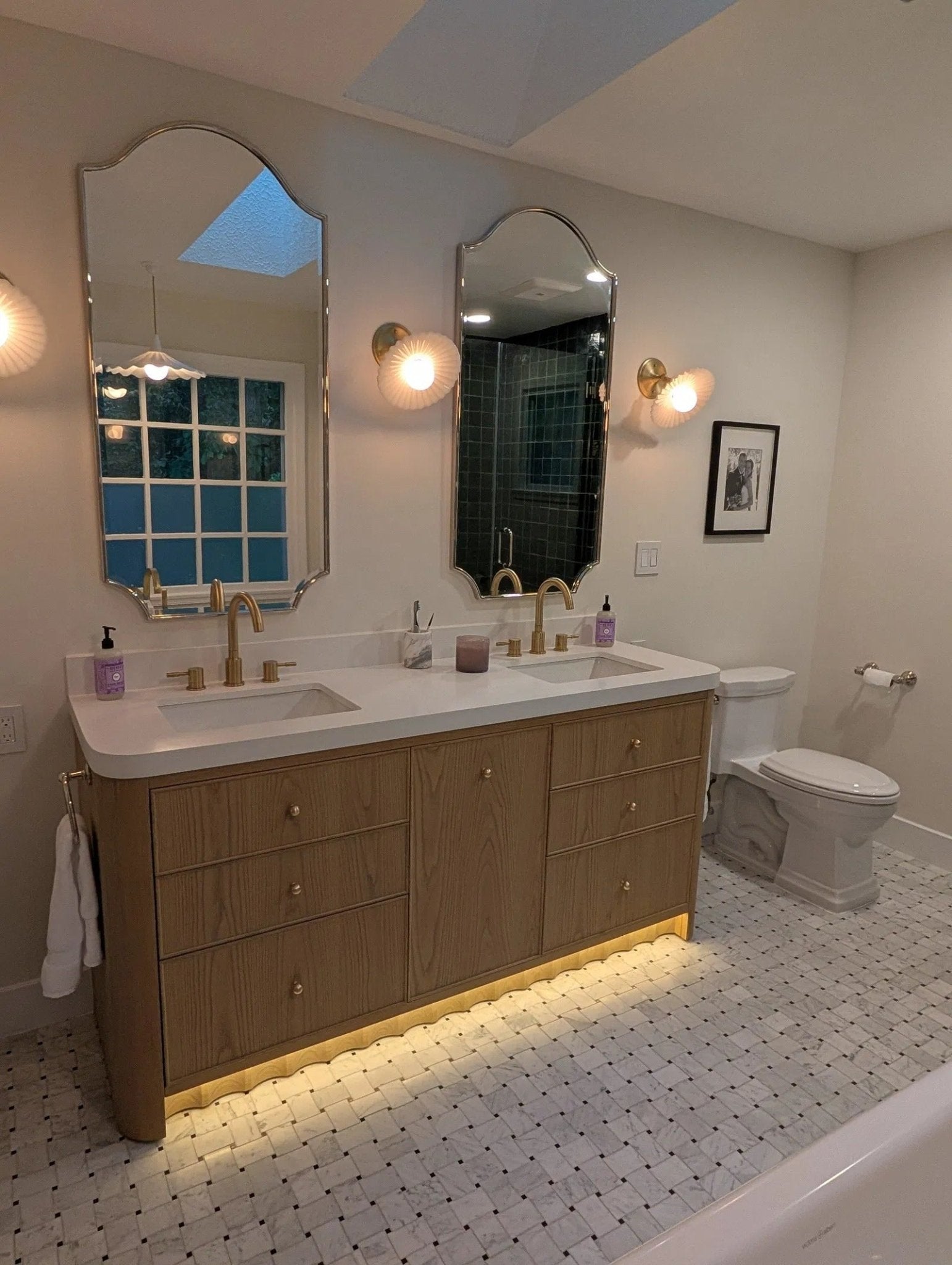
Bathrooms expose cabinetry to constant humidity, water splashes, and changing temperatures. Over time, these conditions can cause wood to swell, crack or warp if it is not properly protected. While many products are marketed as solid wood, not every vanity offers the same level of moisture resistance.
The quality of the timber, construction methods, and protective finishes all influence how well it performs in a bathroom. Understanding what to look for before you buy can help you avoid premature repairs and replacements. This guide explains how to identify water-resistant solid wood profiles in traditional bathroom vanities.
Table of Contents
-
Why Some Solid Wood Bathroom Vanities Last Longer Than Others
-
Questions Worth Asking Before Choosing Traditional Bathroom Vanities
Why Some Solid Wood Bathroom Vanities Last Longer Than Others
Some solid wood traditional bathroom vanities perform well for decades, while others begin showing signs of wear much sooner. The difference usually comes down to three factors: the wood species, the quality of the construction, and the finish that protects the timber.
Water-resistant does not mean waterproof. Even the best hardwood can absorb moisture if water is left sitting on the surface or if the protective coating begins to deteriorate.
Traditional designs often include decorative profiles, raised panels, mouldings, and detailed joinery. These features add character but also create more edges and joints where moisture can collect. Choosing a well-built vanity with proper protection is essential for long-term performance.
Moisture Attacks More Than Just the Surface
Moisture affects more than the visible finish.
Humidity can enter exposed grain around decorative profiles, routed edges, and joints. As the timber repeatedly absorbs and releases moisture, it naturally expands and contracts. Over time, this movement may lead to cracking, joint separation, or distortion if the vanity is not properly sealed.
Decorative profile edges are often the first areas to show wear because they receive greater exposure than flat surfaces and contain more exposed grain.
Signs of Water-Resistant Solid Wood Profiles Before You Buy
Quality traditional bathroom vanities should show clear signs that it has been designed to perform in a humid bathroom environment.
Look for Naturally Moisture-Resistant Wood Species
Certain hardwoods provide better natural resistance to moisture than others.
White oak is valued for its dense grain structure, which slows moisture absorption. Teak contains natural oils that improve durability in damp environments, while maple offers good stability when properly finished.
Grain density plays an important role. Dense hardwoods generally absorb less moisture than softer species, helping them maintain their shape over time.
Check the Finish, Not Just the Wood
Look for multi-layer sealers, conversion varnish, traditional bathroom vanities or high-quality polyurethane coatings. These finishes create a protective barrier that reduces moisture penetration and extends the life of the vanity.
If you're considering a traditional bathroom vanity with sink, inspect every exposed surface carefully. The finish should be consistent inside cabinet doors, drawer boxes, decorative mouldings, and around sink cut-outs where water exposure is greatest.
Pay close attention to decorative details. Routed edges and carved profiles should be fully coated, with no exposed timber visible.
Inspect the Profile Design
The profile itself can reveal a great deal about the overall quality of the cabinet.
Look for smooth, evenly finished routed edges with no rough end grain. Decorative grooves should have the same protective coating as the surrounding surface.
Inspect all joints closely. Tight, consistent joinery leaves fewer gaps where moisture can collect, helping the vanity maintain both its appearance and structural integrity over years of daily use.
Construction Details That Reveal Quality
The way a vanity is built is just as important as the materials used. Strong construction helps the cabinet remain stable as humidity levels change throughout the year.
Examine the Joinery
Quality joinery allows solid wood to move naturally without compromising the strength of the cabinet. Look for:
-
Dovetail drawer construction.
-
Mortise-and-tenon frame joints.
-
Tight, well-fitted corner joints.
These construction methods are stronger than staples or basic fasteners and are less likely to loosen as the wood expands and contracts.
Look Behind the Visible Surface
Finished interiors, sealed back panels, and protected bottom panels help reduce moisture absorption throughout the cabinet, not just on the visible surfaces. Moisture-resistant plywood may also be used in selected structural components to improve stability while maintaining the appearance of solid wood.
If you're considering a 72 inch single sink vanity, inspect the larger cabinet carefully. Wider vanities benefit from solid internal construction because they support greater weight and are more susceptible to movement if inferior materials are used.
Quality hardware also matters. Hinges, drawer slides, and fasteners should resist corrosion and continue operating smoothly in humid conditions.
Red Flags That Usually Mean Lower Moisture Protection
Some warning signs suggest a vanity may not withstand long-term bathroom conditions. Watch for:
-
Thin or uneven protective finishes.
-
Rough or unfinished edges.
-
Visible filler around joints.
-
Soft wood promoted as premium without suitable protective treatment.
-
Decorative grooves with exposed timber.
-
Strong chemical odours that may indicate low-quality coatings rather than durable protective finishes.
If you're comparing a 96 inch double vanity, inspect every cabinet section individually. A large vanity should have a consistent finish and construction quality across its entire width, not just on the most visible areas.
Questions Worth Asking Before Choosing Traditional Bathroom Vanities
Don't Leave the Showroom Without These Answers
Before making a purchase, ask:
-
Which wood species is used?
-
What finish protects the vanity?
-
Are all interior and exterior surfaces sealed?
-
What maintenance is recommended?
-
Was the vanity designed specifically for bathroom use?
If you're shopping for a freestanding single bathroom vanity, also ask whether the rear, underside, and interior panels receive the same protective finish as the exterior. These hidden surfaces are equally important for long-term moisture resistance.
Clear answers to these questions make it much easier to compare products based on quality rather than appearance alone.
Concluding Words
A beautiful finish does not guarantee long-term durability. The wood species, protective finish, joinery, and overall construction determine how well a vanity will perform in a humid bathroom. Taking the time to compare these features before buying can help prevent costly repairs and extend the life of your investment in traditional bathroom vanities.
At Willow Bath and Vanity, you'll find thoughtfully crafted bathroom vanities built with quality materials, durable finishes, and timeless designs that deliver lasting performance without compromising on style. Visit us today.
FAQs
Is solid wood better than MDF for bathroom vanities?
Solid wood generally offers greater durability and longevity when properly sealed, while moisture-resistant MDF can also perform well as traditional bathroom vanities material when finished to a high standard.
Can a solid wood vanity handle daily bathroom humidity?
Yes. A properly sealed solid wood vanity, combined with good bathroom ventilation, can withstand normal daily humidity.
How often should a solid wood bathroom vanity be maintained?
Clean the vanity regularly using non-abrasive products and inspect the protective finish periodically. Addressing minor wear early helps maintain long-term moisture resistance.
Share:
How to Choose a Bathroom Faucet: Single-Hole, 4-Inch Centerset, 8-Inch Widespread, Wall-Mount & Vessel Faucet Guide
How to Pick Heat-Resistant Material for a Bathroom Sink Countertop