


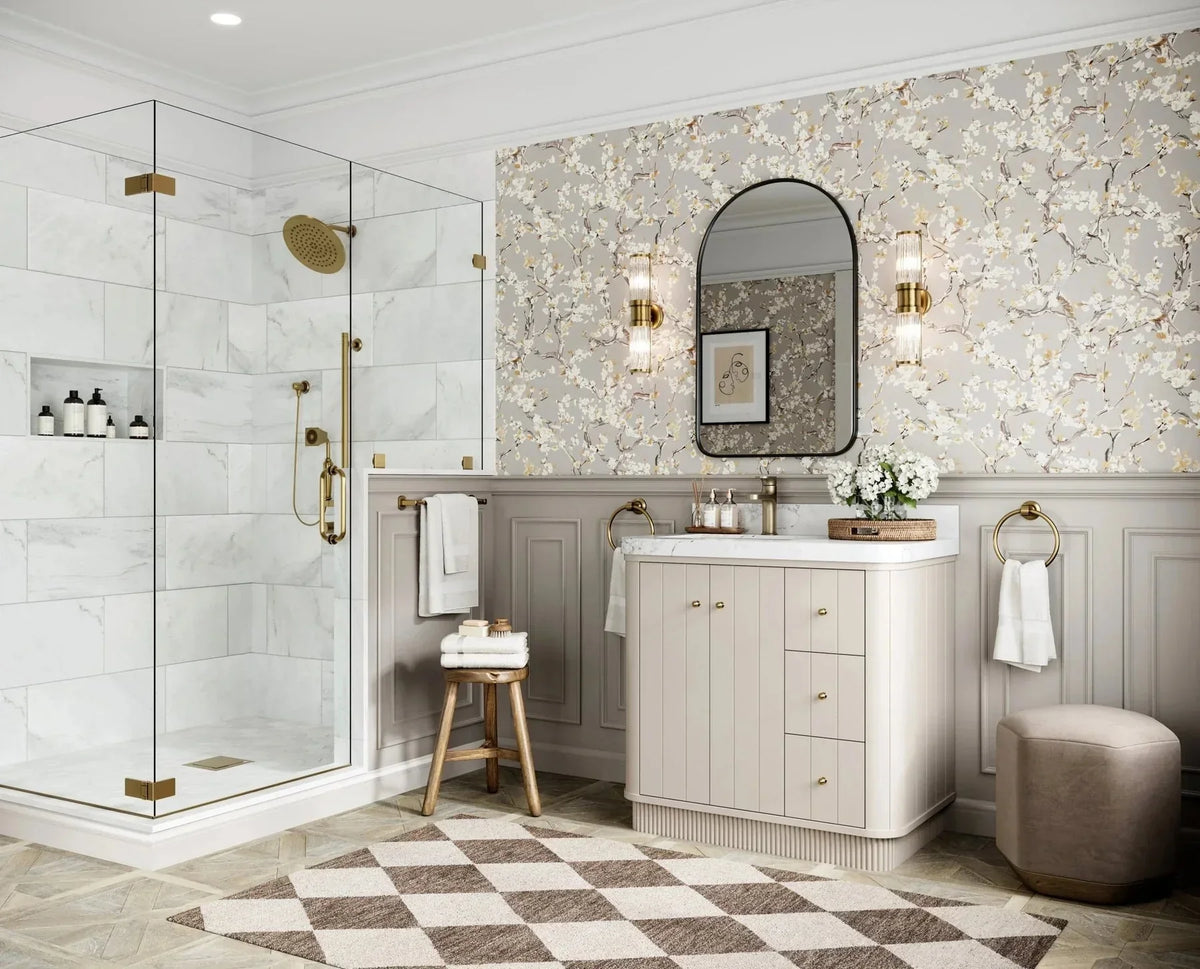
A 30-inch vanity sounds like a downgrade until you see what happens to the rest of the bathroom when you make the switch. More floor space, better traffic flow, room for things that matter more than extra cabinet storage you weren't using anyway.
Most bathrooms default to the biggest vanity that'll fit, then wonder why the space feels cramped. Everything else gets squeezed around it: the shower, the layout, how you move through the room.
If you get a 30 inch bathroom vanity opens up options. You can add a linen closet that's actually useful. Fit a larger shower. Create a walking space that doesn't have you turning sideways to get past the sink.
This guide covers why going smaller with your vanity can improve the whole bathroom. Also, when it makes sense to shrink the footprint instead of maxing it out.

The Real Problem With Oversized Bathroom Vanities
Bigger isn't always better when space is finite.
How Bigger Vanities Quietly Hurt Small and Mid-Size Bathrooms
Large vanities block walkways and make bathrooms feel tighter than their actual square footage. Common layout issues appear in apartments, condos, and older homes where bathrooms were designed around smaller fixtures. When the vanity extends too far, you can't open doors fully, accessing storage becomes awkward, and the room feels cramped.
Why Unused Counter Space Is a Design Trap
Wasted inches that don't add function just collect clutter and create more surface to clean. Wide counters become dumping grounds for products that could live in organized drawers. This creates visual clutter that makes bathrooms feel messy even when they're technically clean.
Why a 30-Inch Vanity Hits the Sweet Spot
This dimension solves multiple problems simultaneously.
Designed for Real-World Bathroom Layouts
A single 30 inch bathroom vanity works well for powder rooms and guest baths where space is limited but function can't be compromised. Clearances improve because the vanity doesn't extend into traffic patterns. You can move freely around the bathroom instead of navigating around furniture.
The Storage Myth: Small Doesn't Mean Limited
Options for a 30 inch bathroom vanity with drawers often provide more usable storage than larger vanities with cabinet doors. Drawer depth matters more than overall width.
Smart dividers keep items organized and visible. Vertical storage works better when drawers stack efficiently instead of wasting space behind doors where items get pushed back and forgotten.
Visual Balance Matters More Than Size
Getting a 30 inch bathroom vanity improves proportions because the vanity stops dominating the room. Wall space opens up for mirrors, lighting, or shelves that enhance function and appearance. The bathroom feels larger when elements exist in proper proportion.
Storage That Actually Works: Drawers vs Cabinets
How you access storage matters as much as how much you have.
Why Drawers Win for Daily Use
Comparing drawers versus traditional cabinet doors shows immediate practical differences:
-
Drawers provide visibility so you see everything without digging.
-
Organization improves because items don't stack haphazardly.
-
No bending required to reach items at the back.
-
Soft-close hardware and solid drawer boxes signal quality construction.
These details affect daily convenience and longevity.
Where a 30 Inch Bathroom Vanity Makes the Most Sense

Specific scenarios benefit most from this sizing:
-
Guest bathrooms that need function without bulk or wasted space.
-
Primary baths where layout matters more than countertop sprawl.
-
Rental upgrades that boost value without over-investing in features tenants won't use.
What to Look for Before You Buy
Details separate functional purchases from regrettable ones.
Measurements That Matter More Than Width
Depth affects how far the vanity projects into the room. Drawer clearance determines whether drawers open fully without hitting walls or toilets.
Door swing matters if the bathroom door opens inward. Plumbing alignment affects installation complexity, especially in older homes.
Materials That Hold Up in Humid Bathrooms
Solid wood handles moisture cycles better than MDF, which swells and degrades at seams. Moisture-resistant finishes protect against water damage that shows up within months in poorly finished pieces.
Sink Style and Counter Pairings
Undermount sinks maximize usable counter space. Integrated tops simplify cleaning by eliminating the seam between counter and basin. This affects resale appeal if you're considering selling within a few years, as buyers notice quality details in bathrooms.
Frequently Asked Questions
Is a 30 inch bathroom vanity too small for everyday use?
No. Daily function depends on organization, not overall size. Well-designed drawers provide better access than larger cabinets.
How much storage can drawers really offer?
Typically three to four drawers with dividers. Vertical organization makes small footprints surprisingly functional for daily essentials.
Can this size work in a primary bathroom?
Yes, if you're not sharing morning routines simultaneously. Solo users often find this size more practical than double sinks.
What countertop materials pair best with smaller vanities?
Quartz and solid surfaces work well. Avoid busy granite patterns that overwhelm smaller proportions.
Does a smaller vanity affect home resale value?
Appropriate sizing enhances value. Oversized vanities in small bathrooms look awkward and reduce functional space.
Conclusion
Reframing getting a 30 inch bathroom vanity as a functional upgrade changes how you approach bathroom design. Options at this size improve flow, storage accessibility, and daily use in ways that larger furniture often can't match in constrained spaces. If your bathroom feels crowded, this is often the easiest fix.
Ready to explore vanities that match your actual bathroom dimensions? Willow Bath And Vanity carries well-built options designed for real-world spaces, not just showroom aesthetics.
Explore: 30-inch bathroom vanities · single-sink vanities · solid wood vanities · quartz countertops
Share:
Why Your Bathroom Vanities Feel Too Big (and How to Fix It)
How to Choose Bathroom Vanities That Work With Accent Walls