


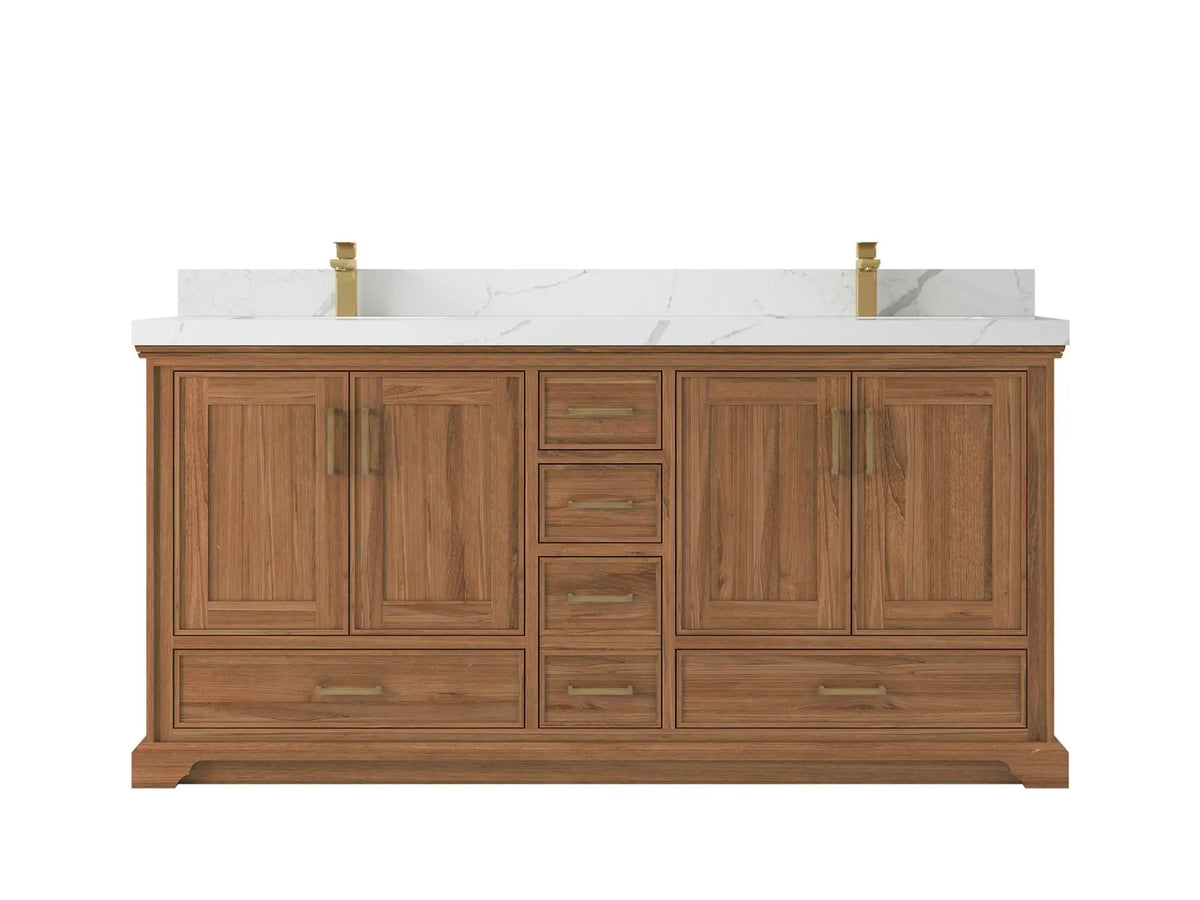


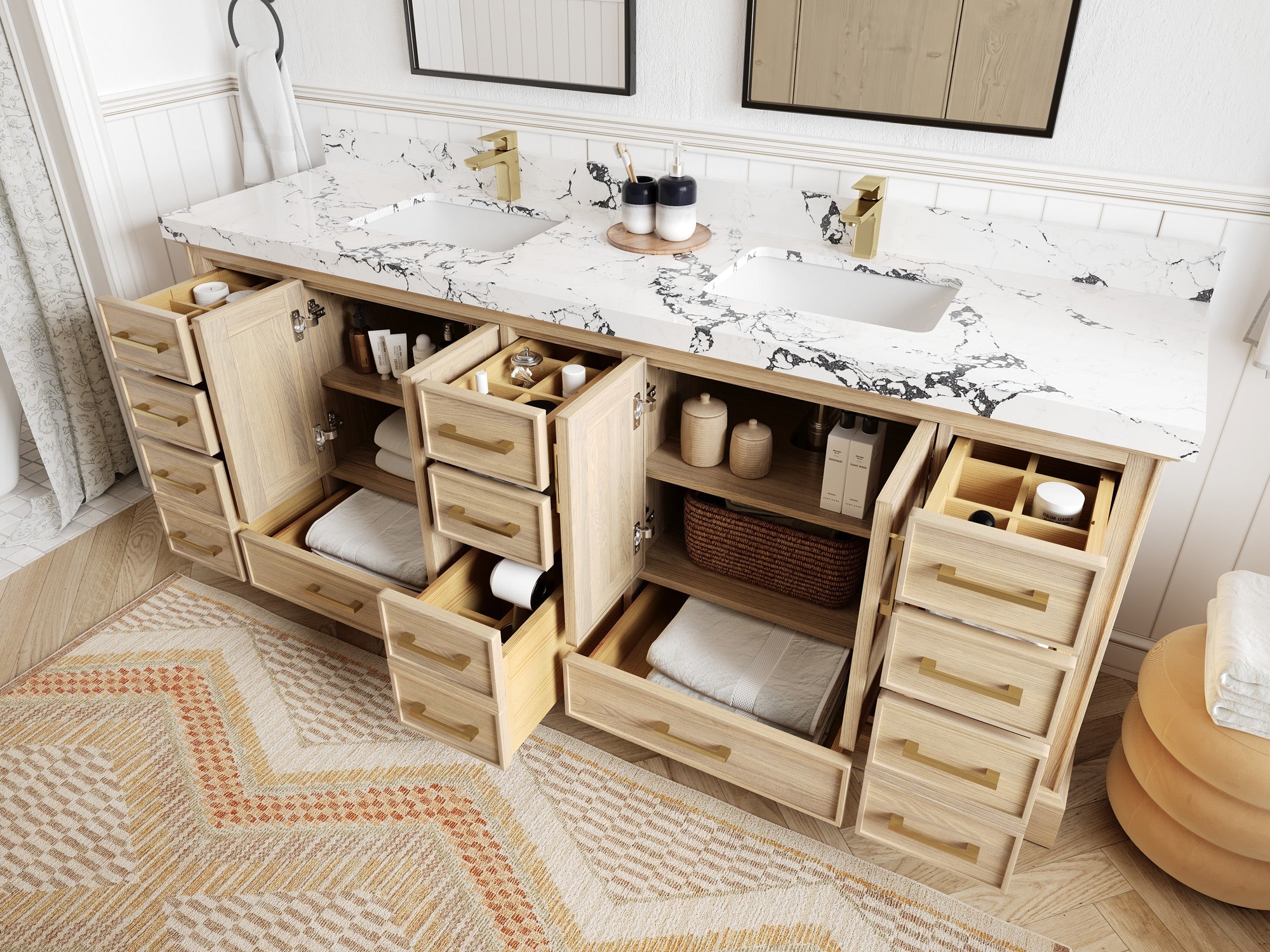
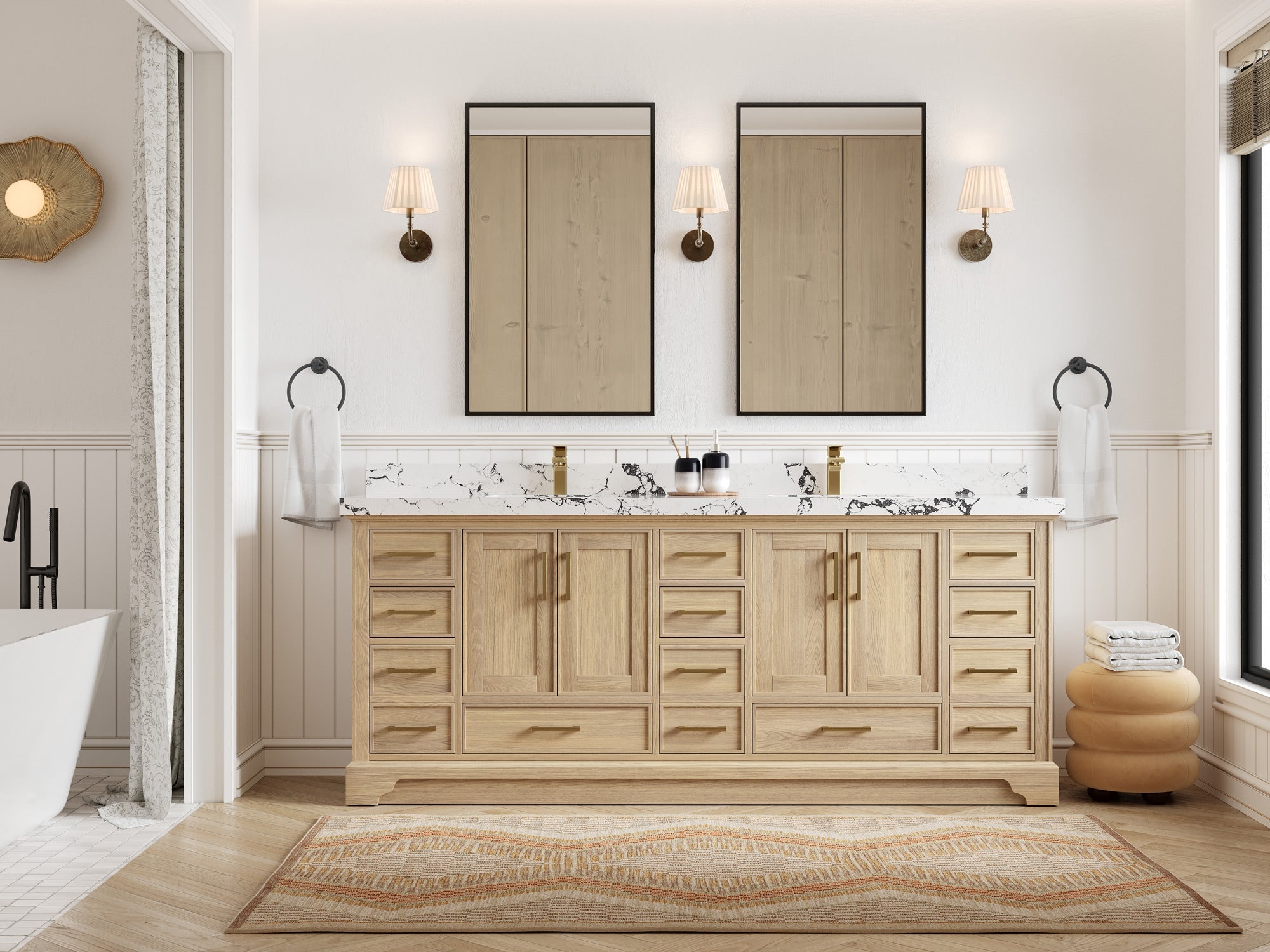
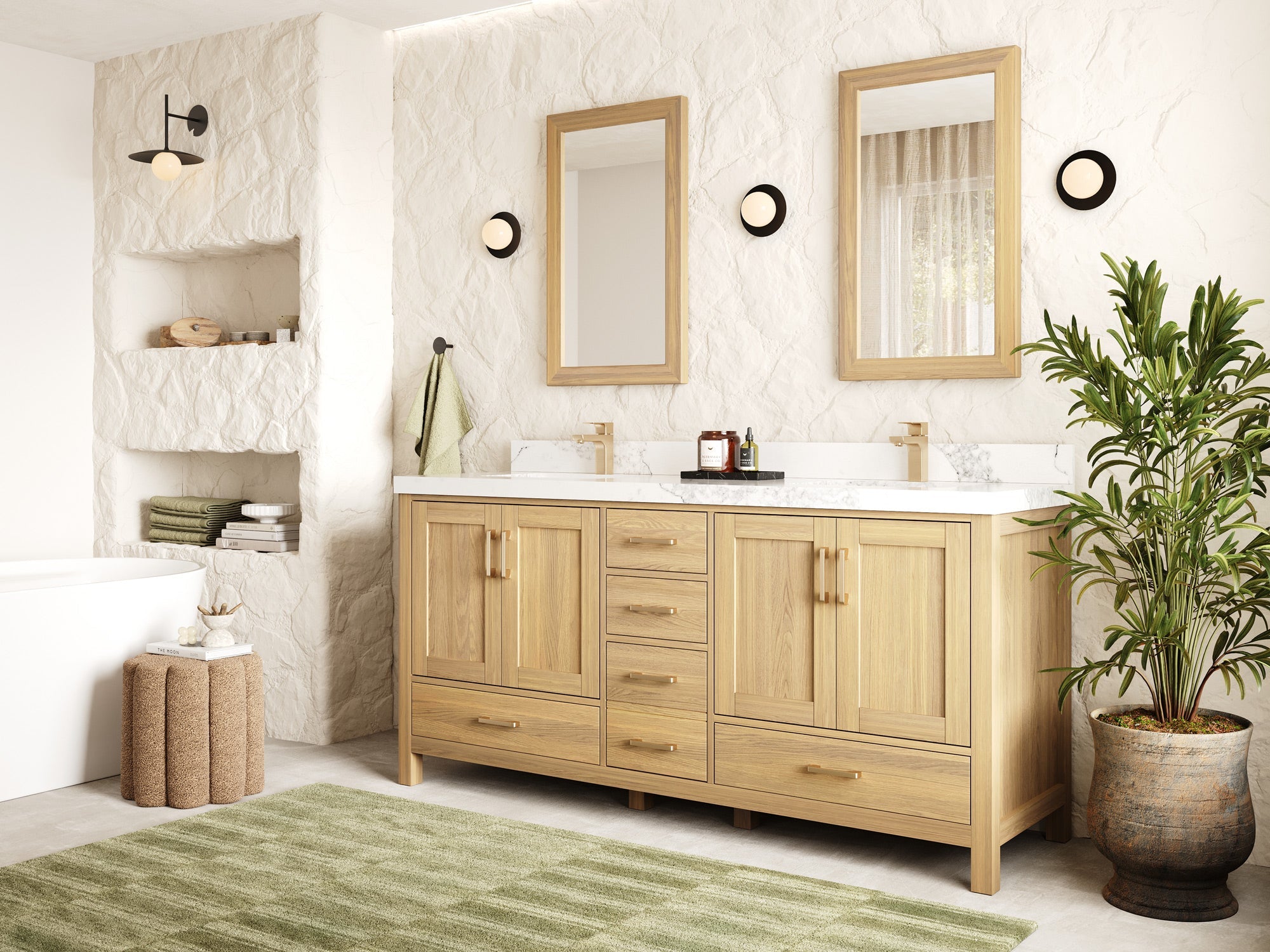
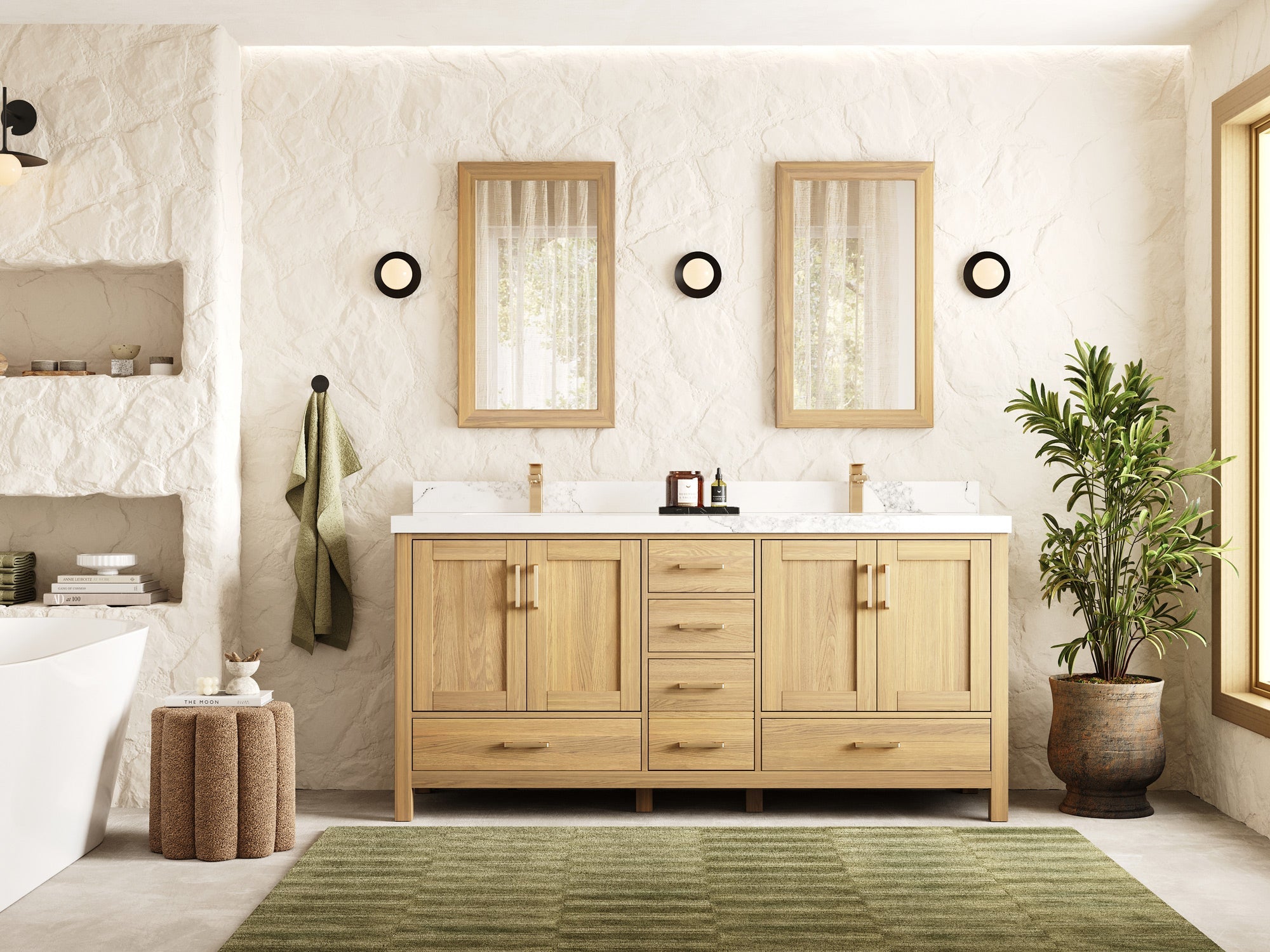
Charlotte White Oak 84 in.Double sink · Solid white oak
In stock · dispatch in 5–8 business days


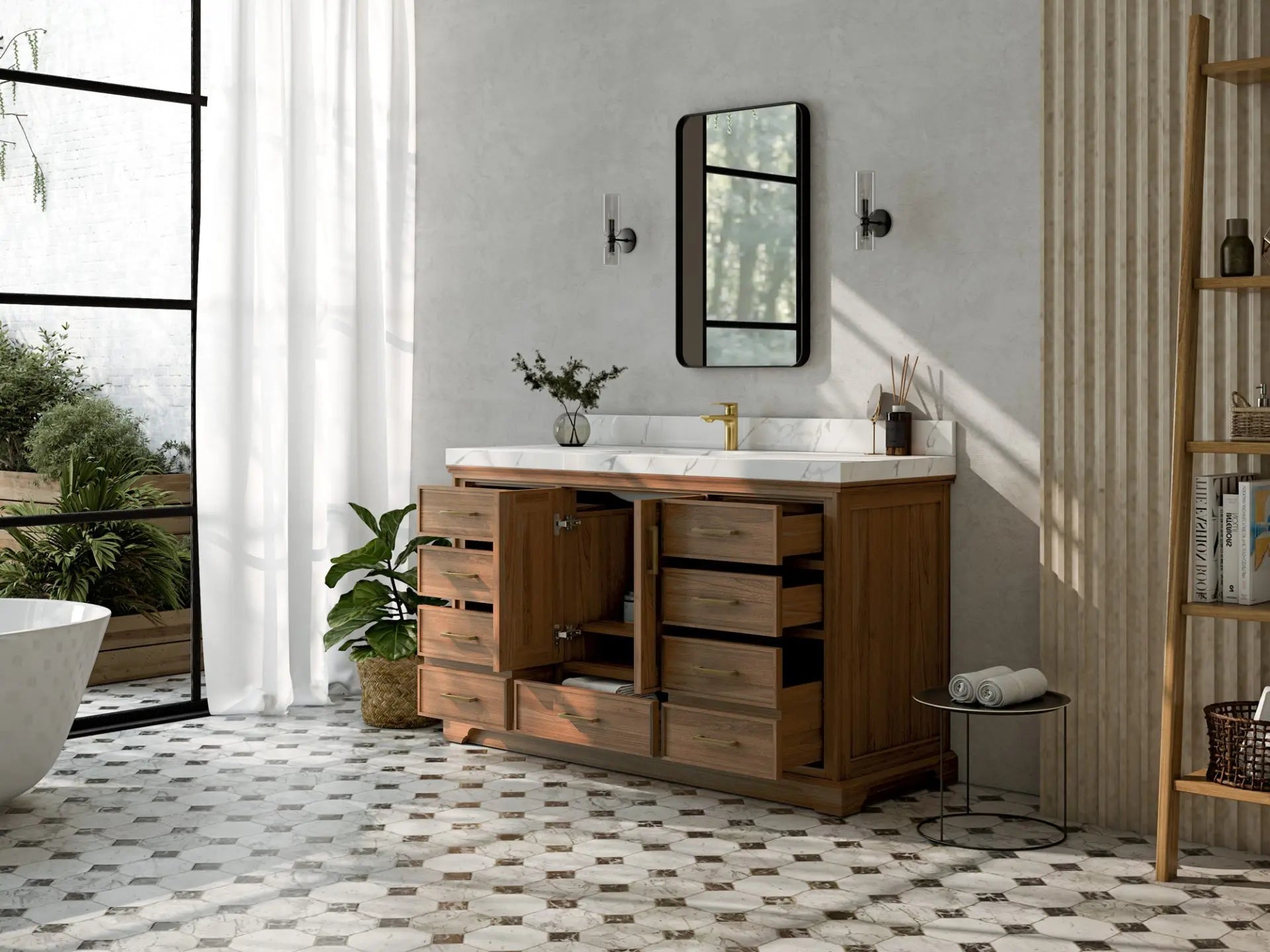

Charlotte Teak Wood 60 in.Single sink · Solid teak
In stock · dispatch in 5–8 business days
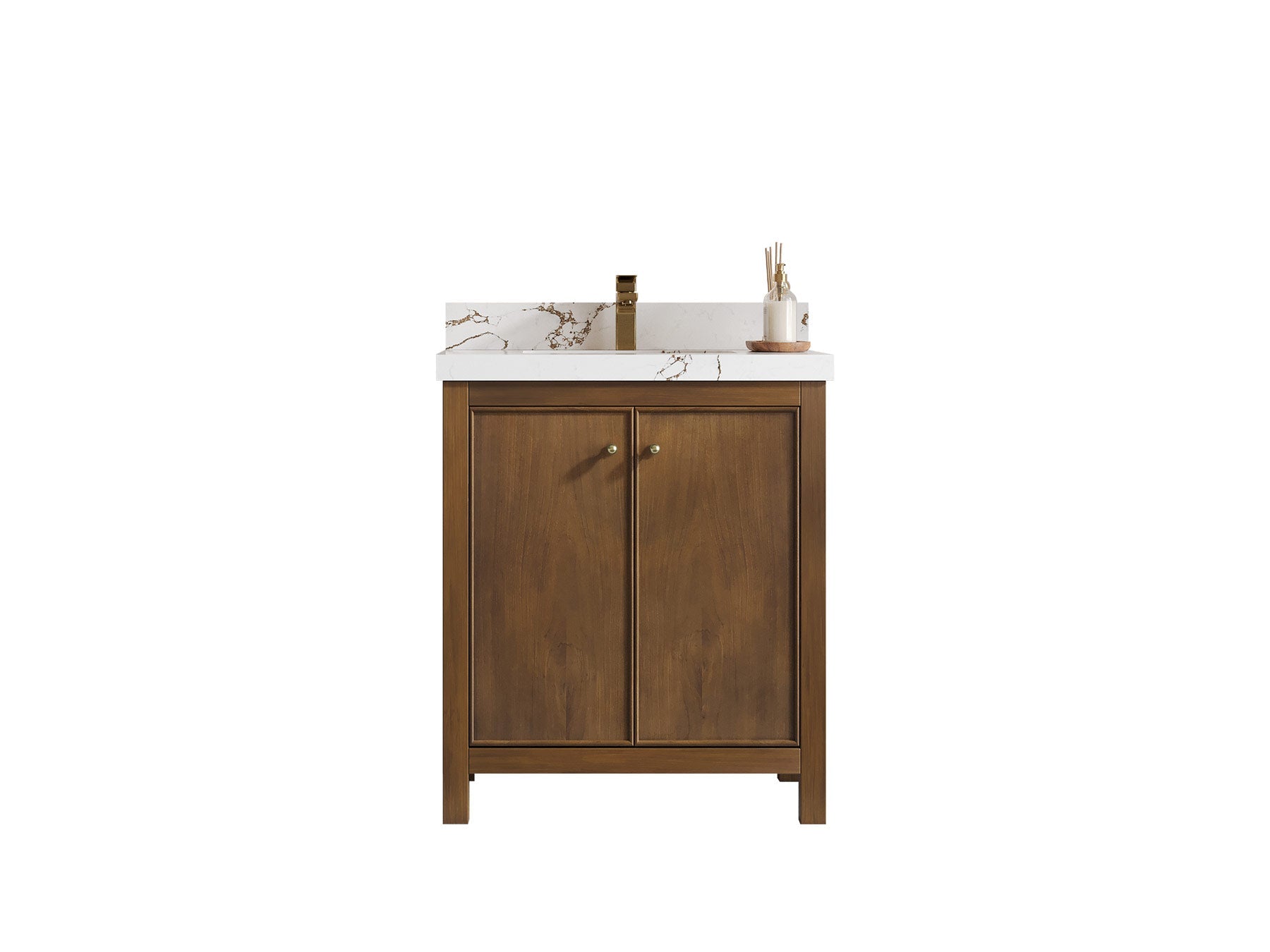
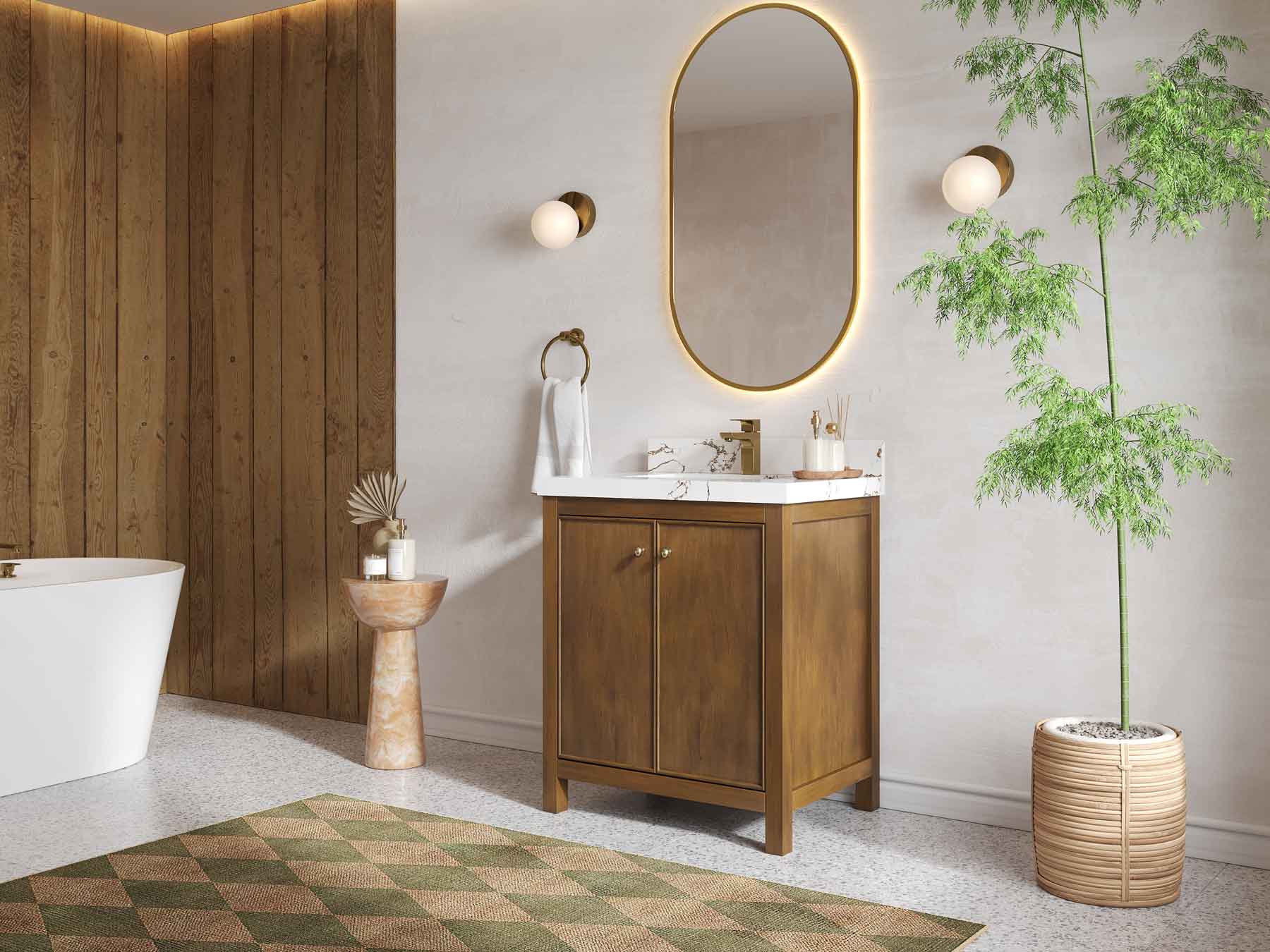
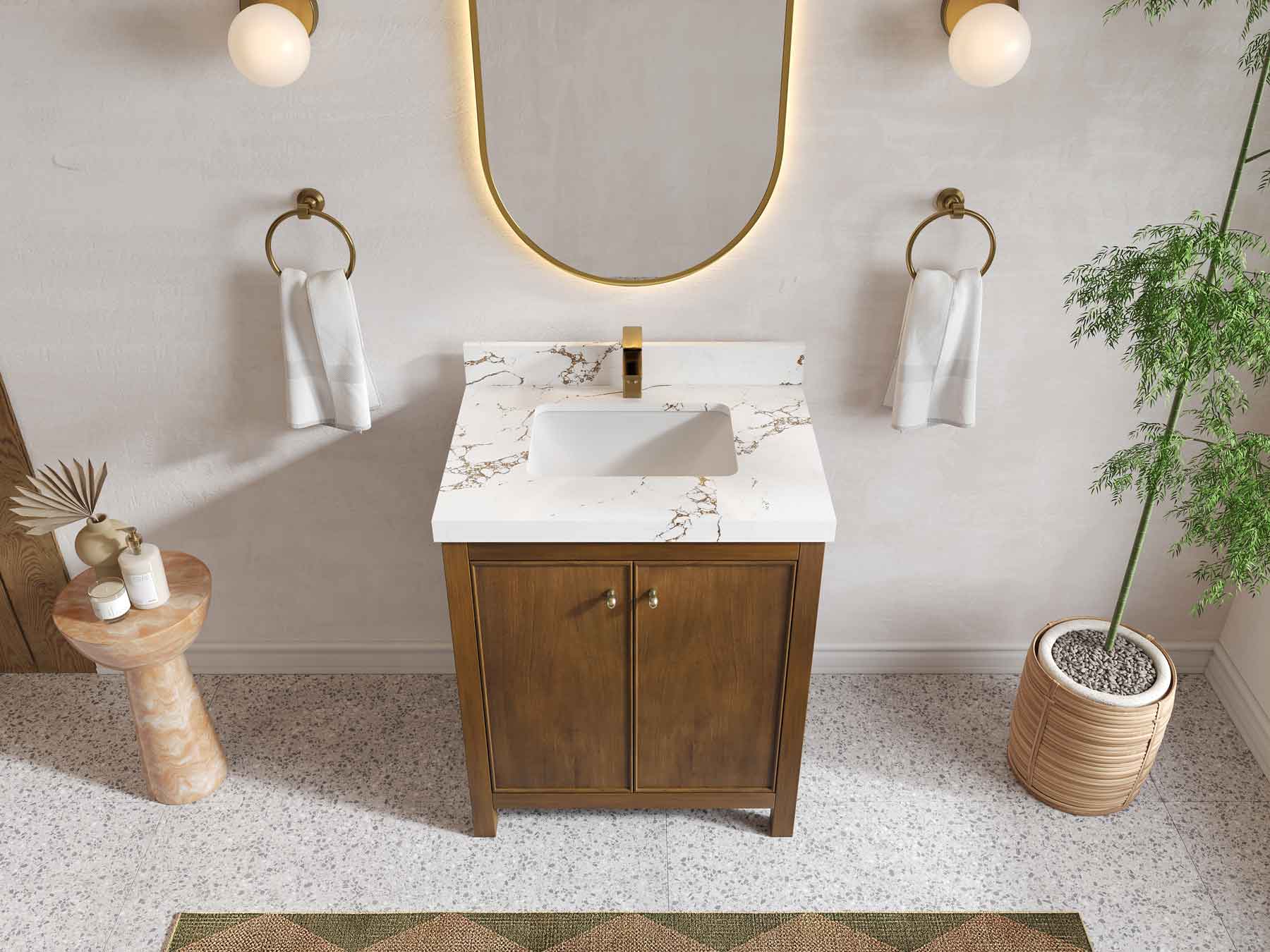
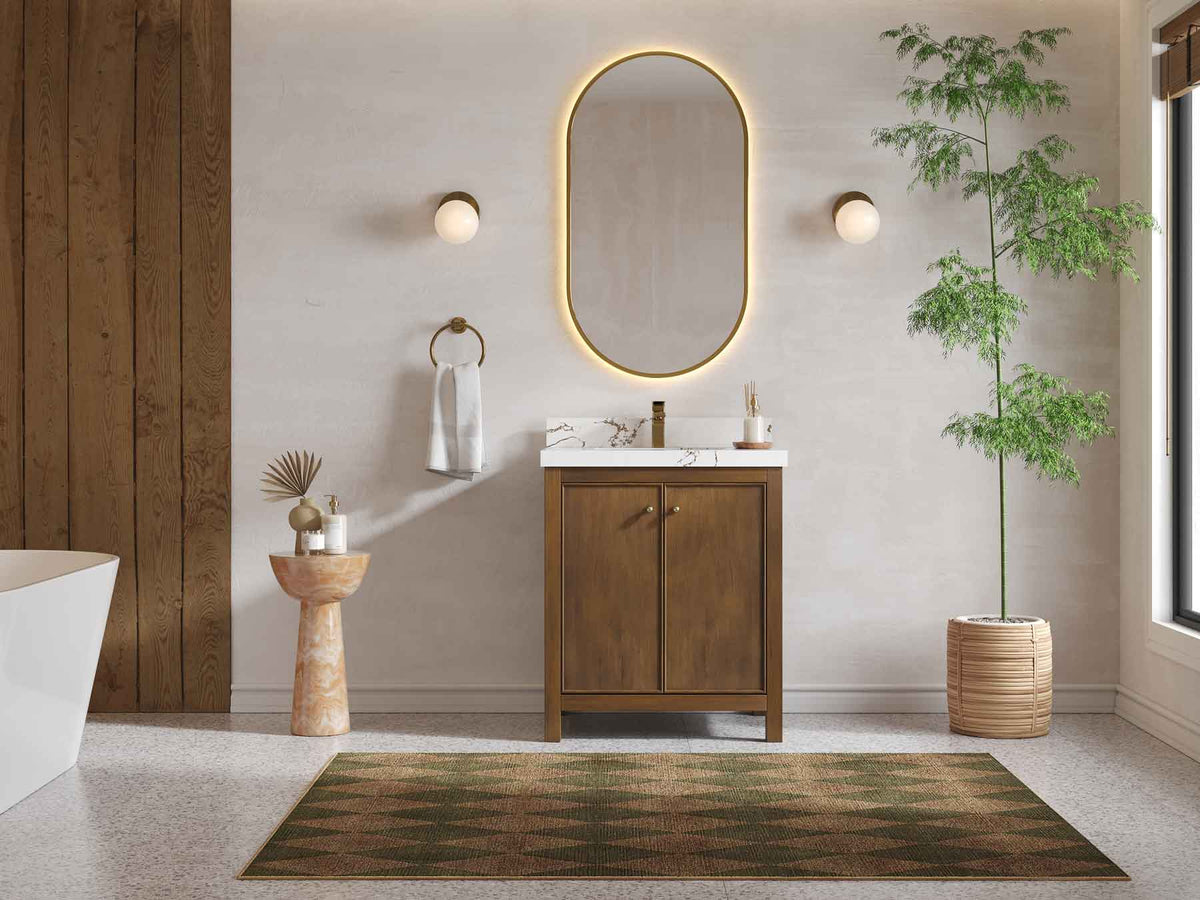
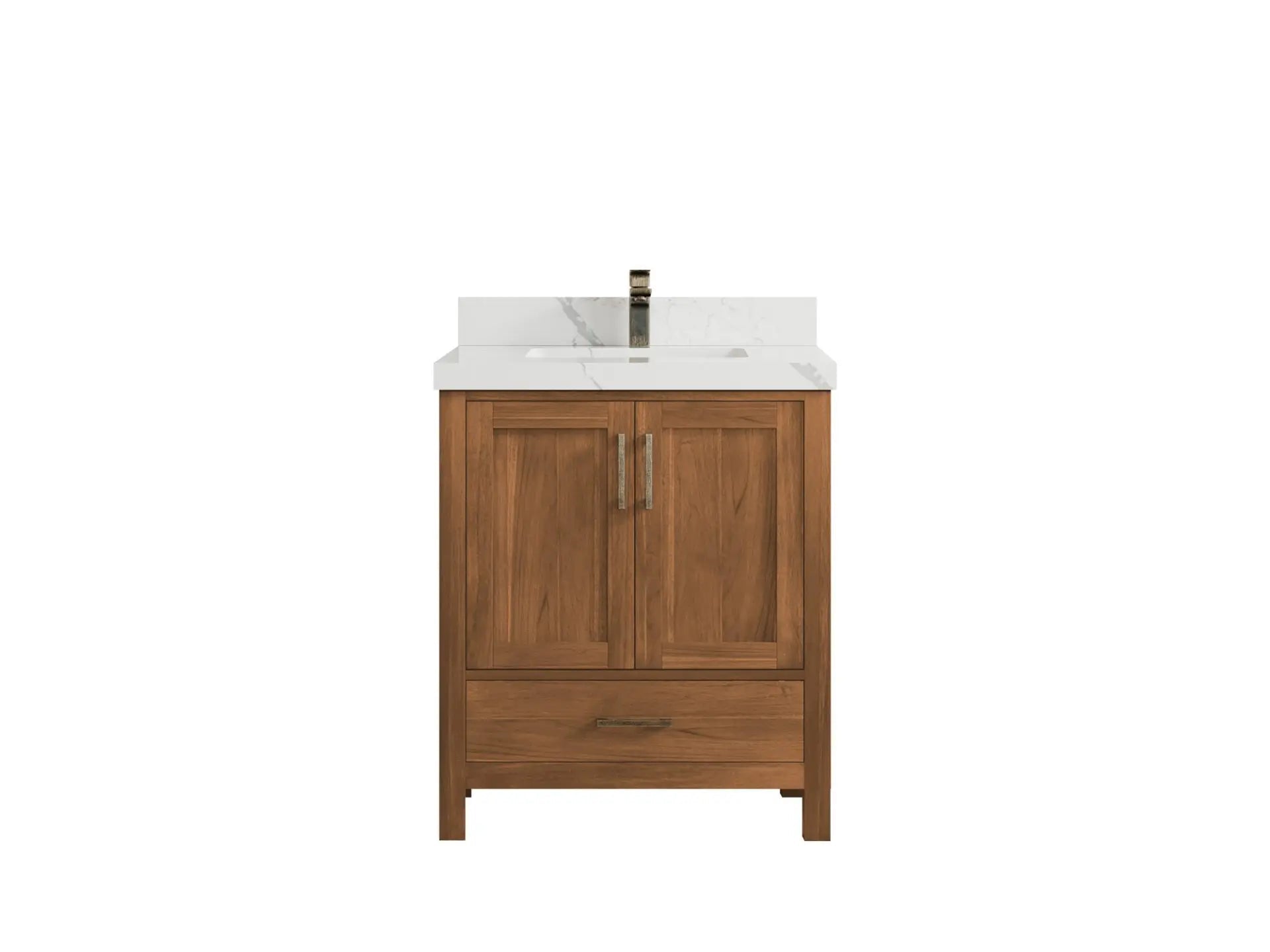
Chicago Teak 30 in.Single sink · Teak veneer panels
In stock · dispatch in 5–8 business days


Charlotte Teak Wood 42 in.Single sink · Solid teak
In stock · dispatch in 5–8 business days
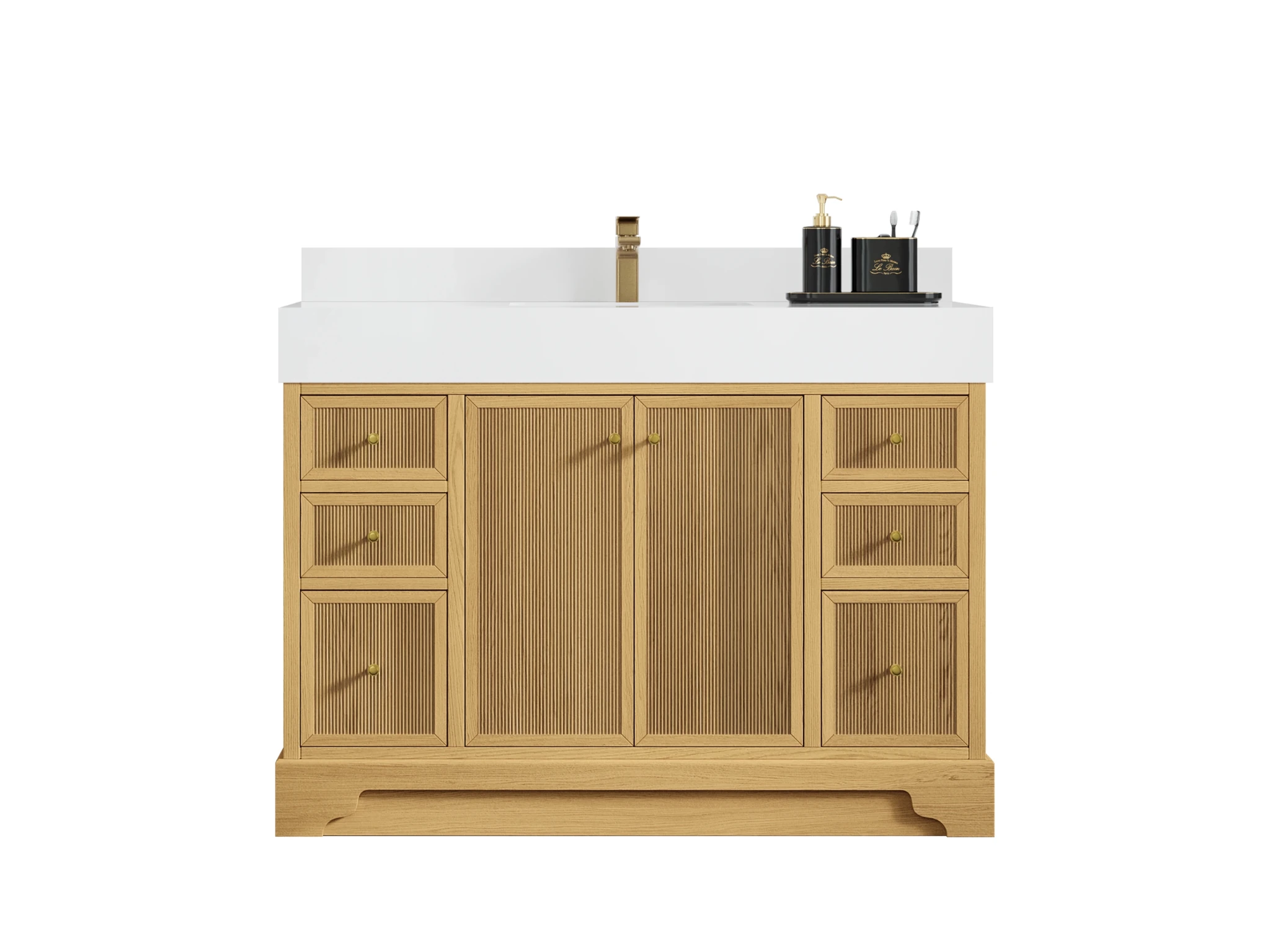
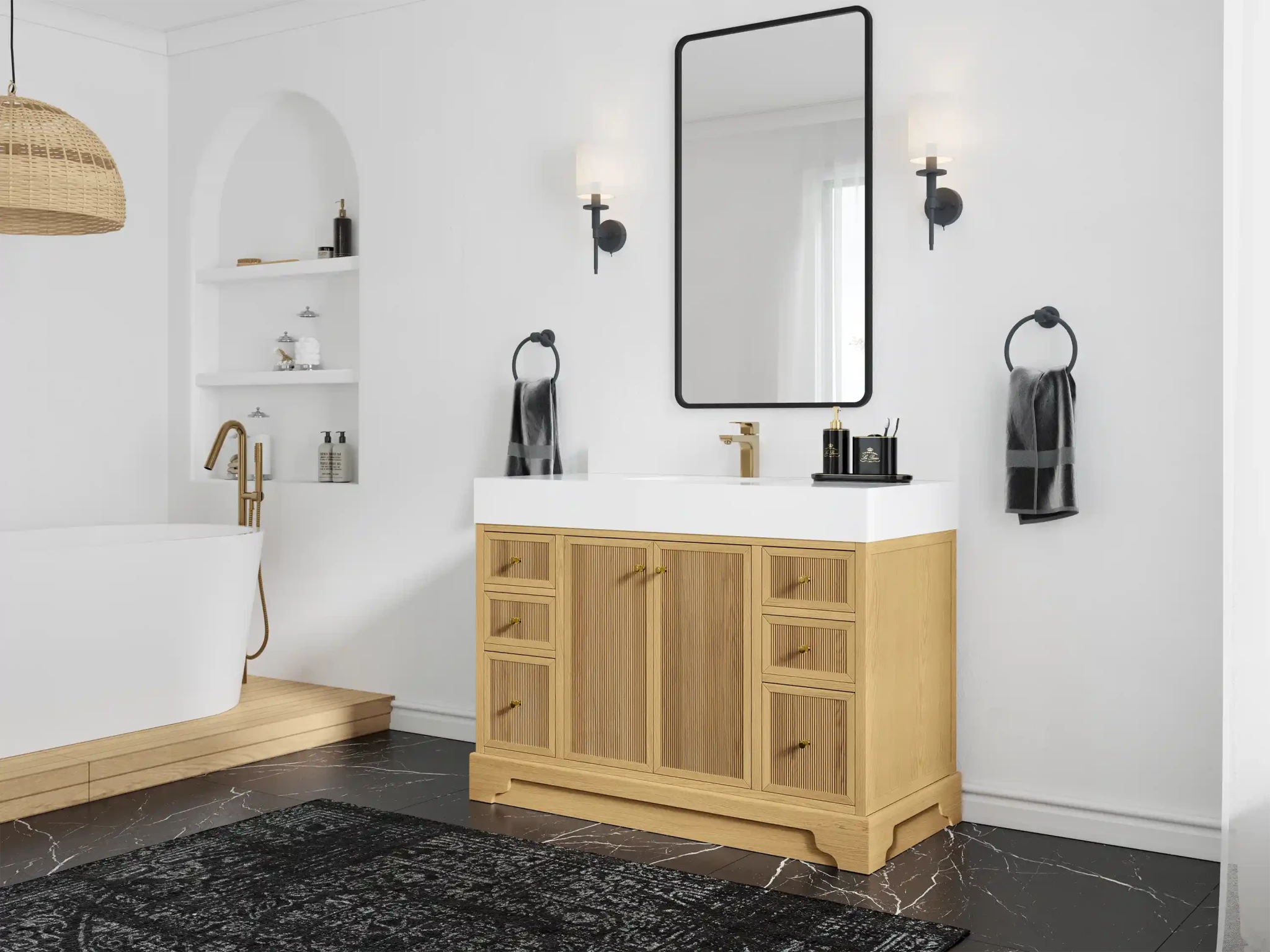
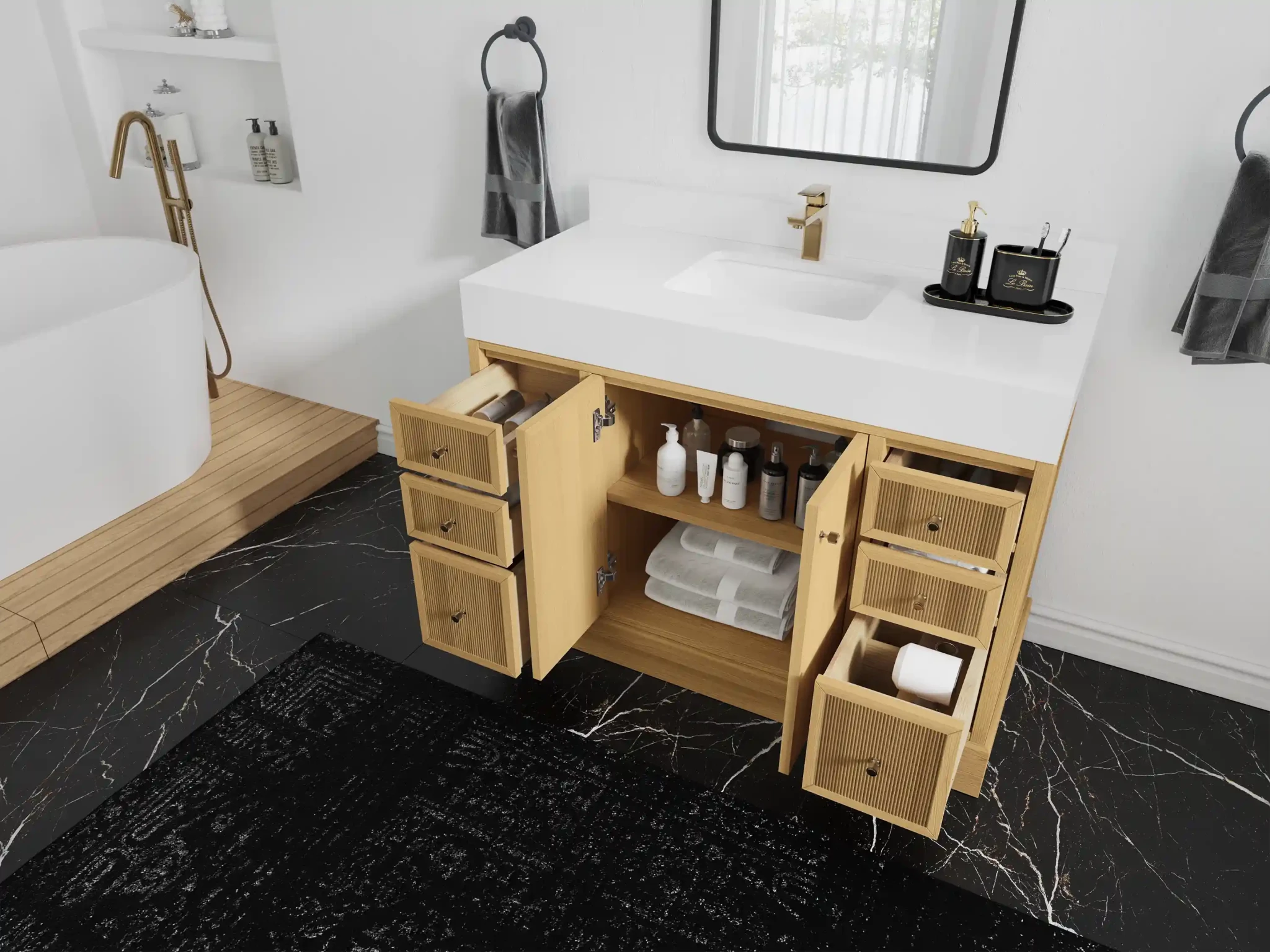

Manhattan White Oak 48 in.Single sink · Solid white oak
In stock · dispatch in 5–8 business days
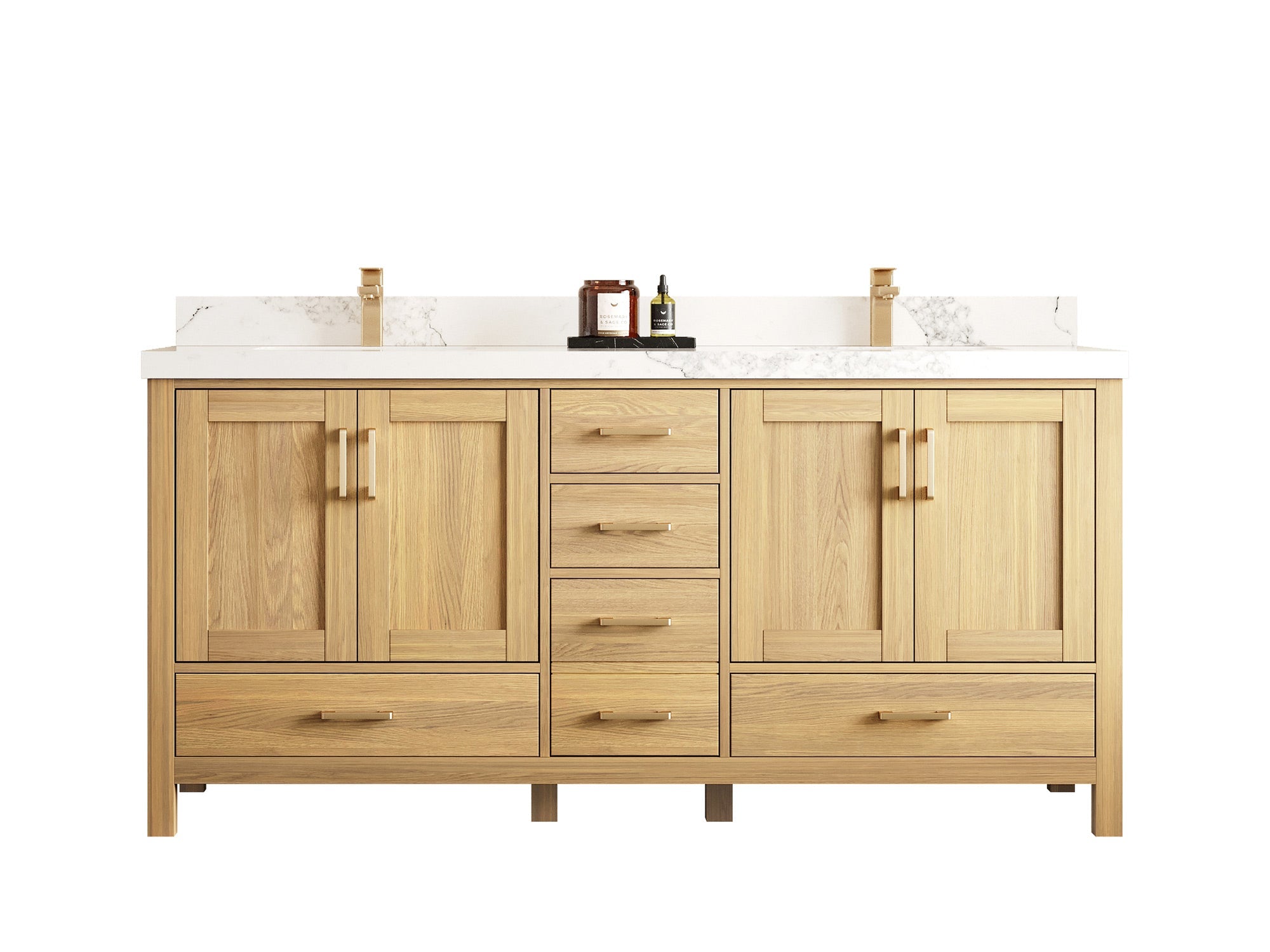


CURATED FOR THIS COLLECTION
Built Beyond the Surface
Solid-wood construction, dovetail drawers and considered details made for real bathrooms and daily life.


Charlotte White Oak 42 in.Single sink · Solid white oak
In stock · dispatch in 5–8 business days


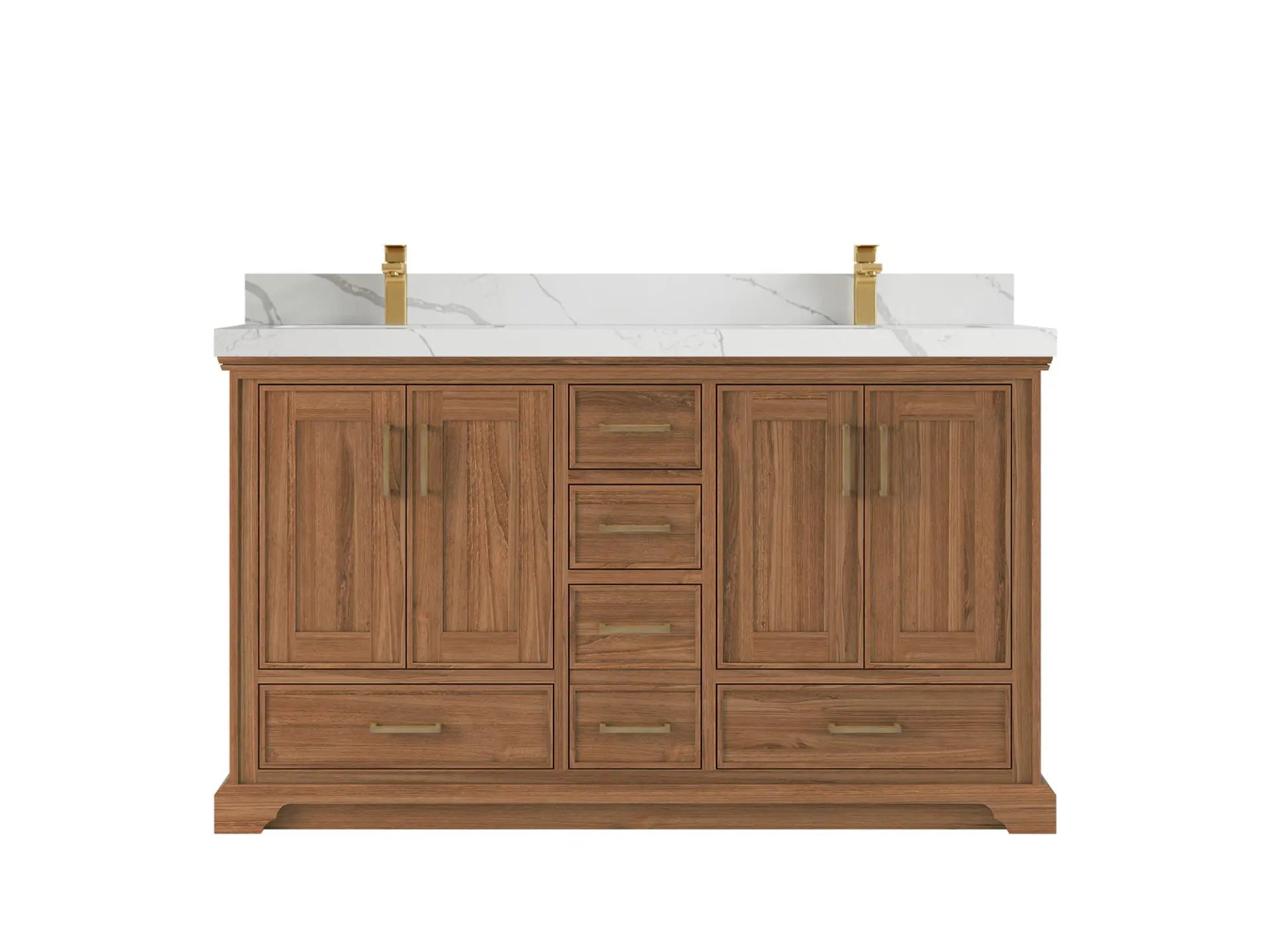
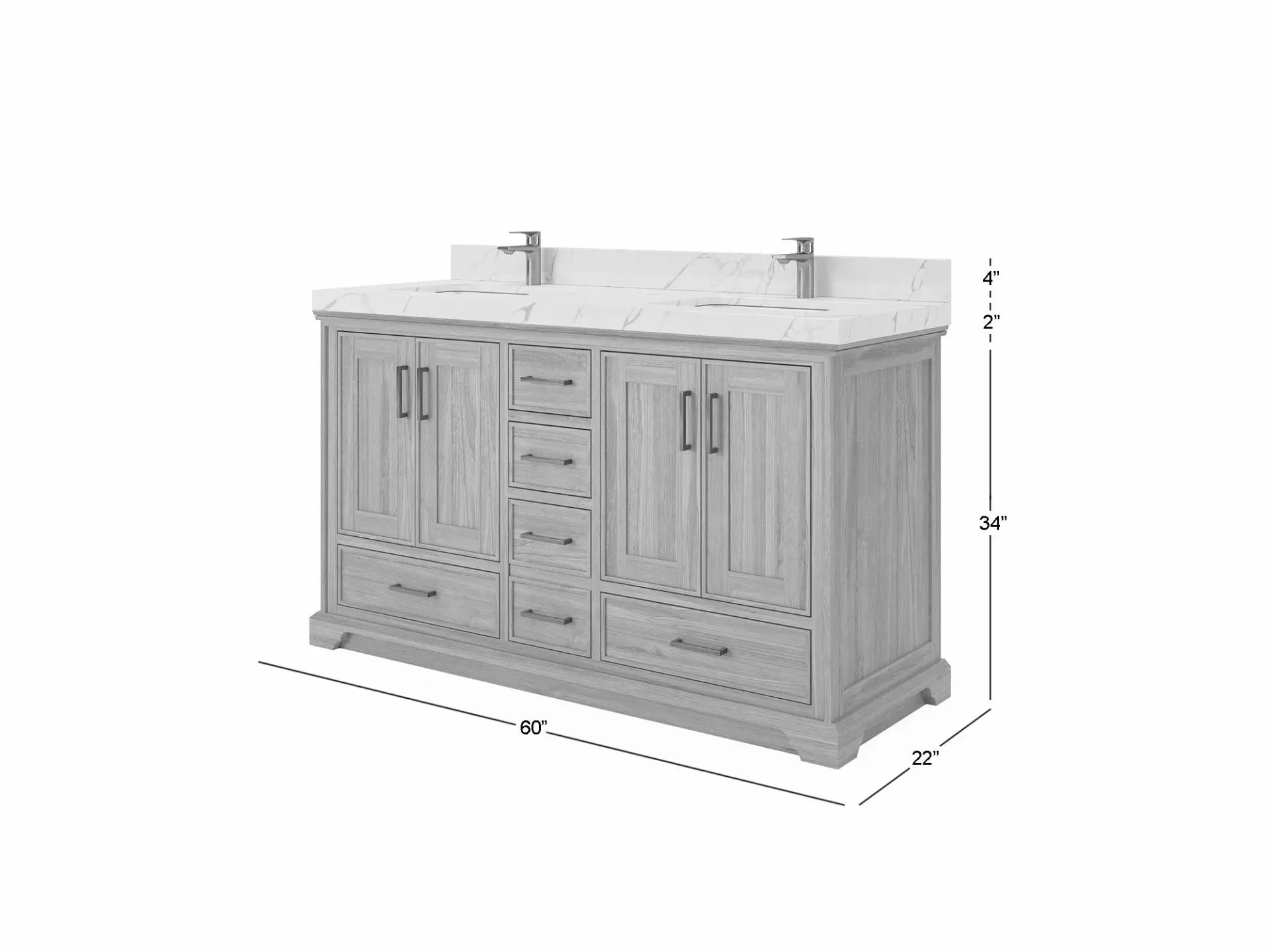

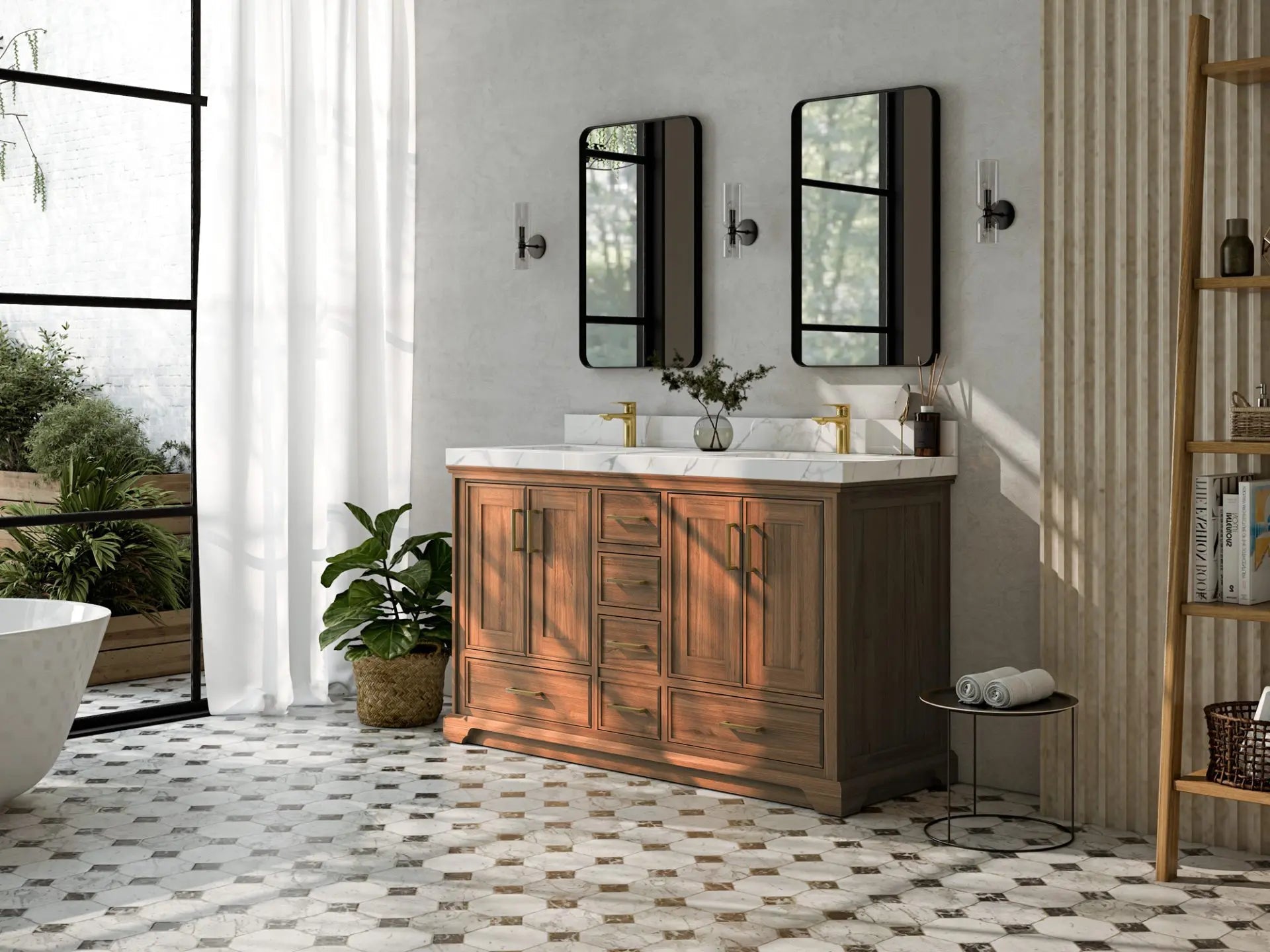
Charlotte Teak Wood 60 in.Double sink · Solid teak
In stock · dispatch in 5–8 business days
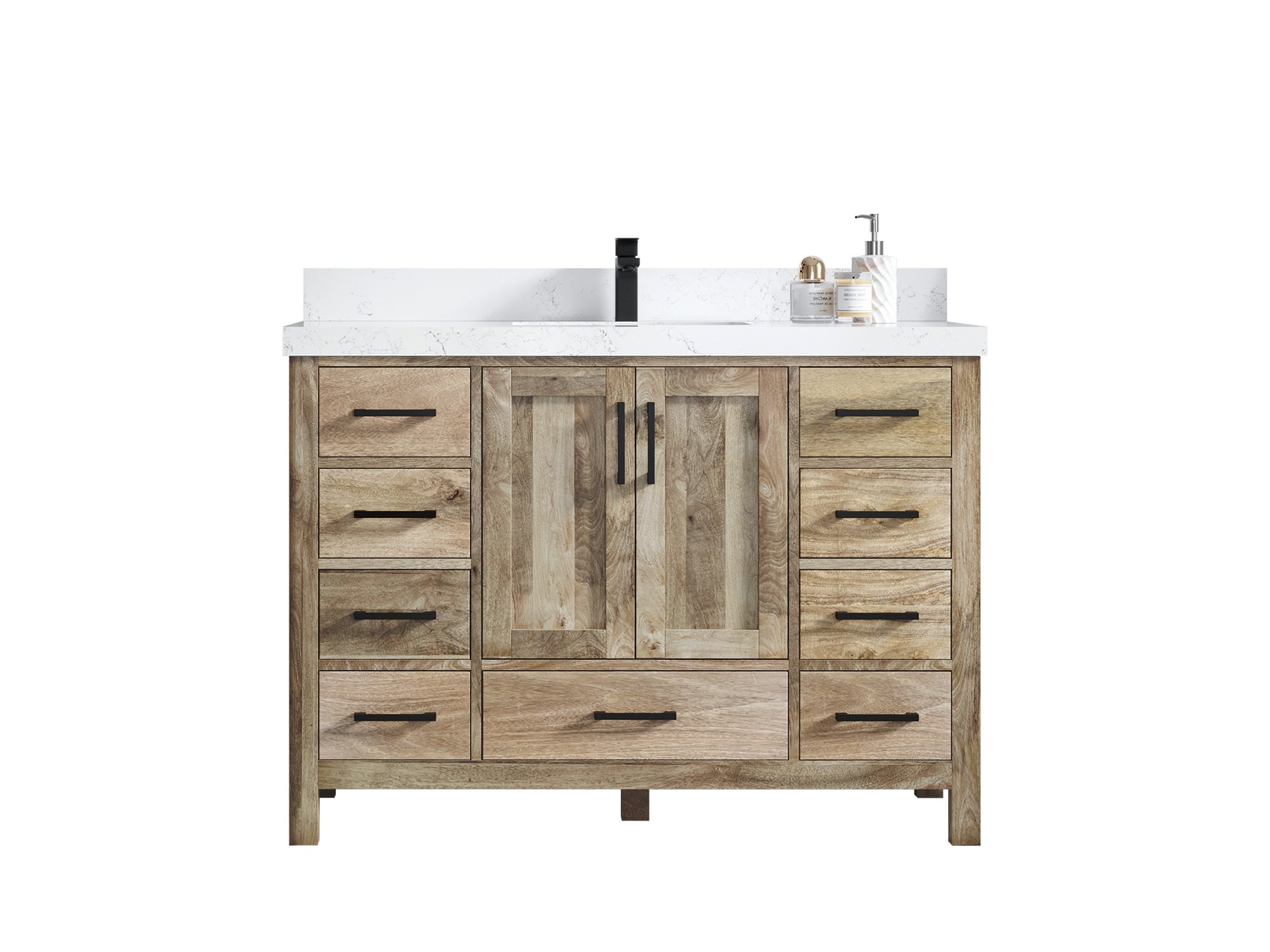
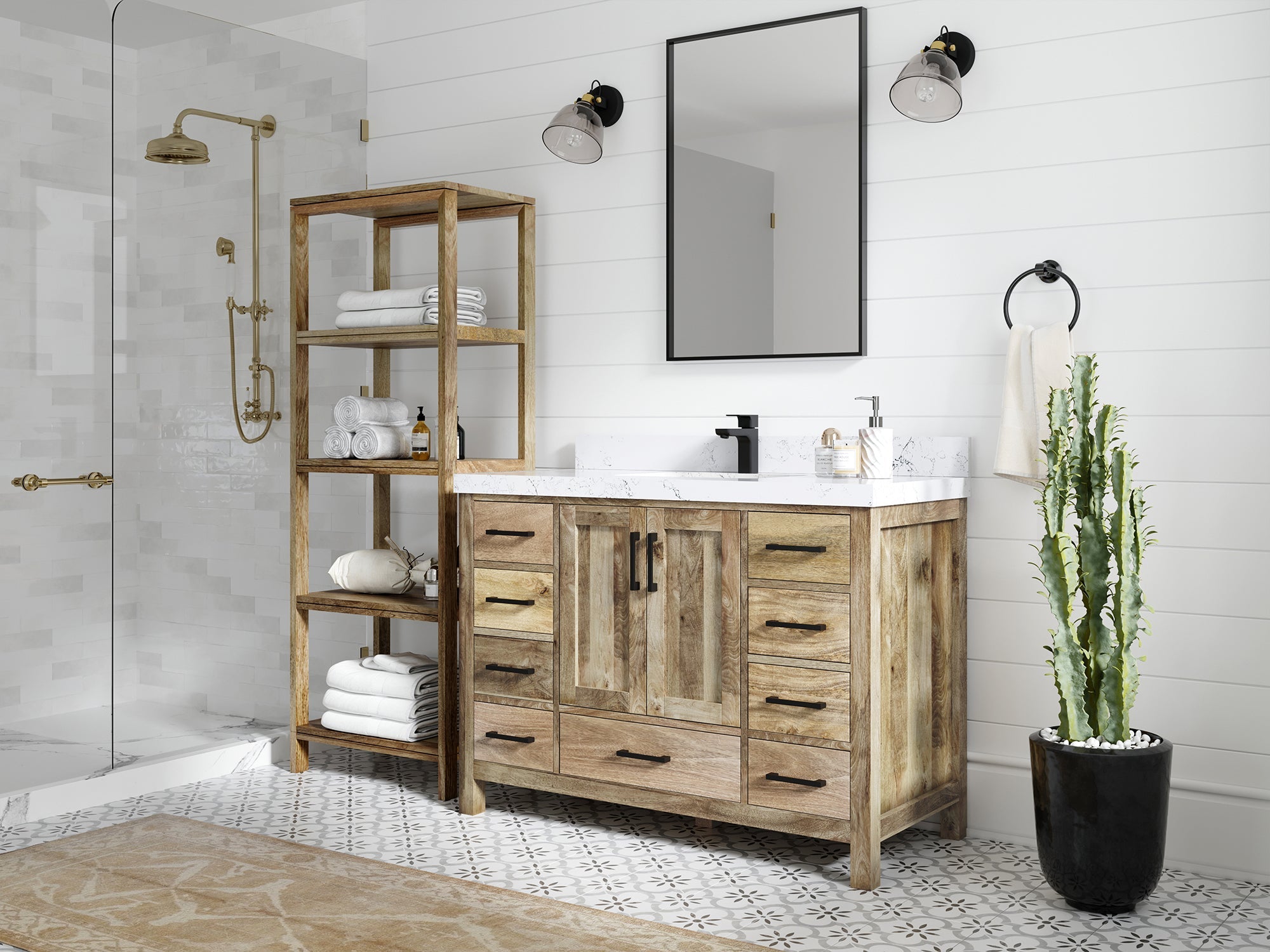
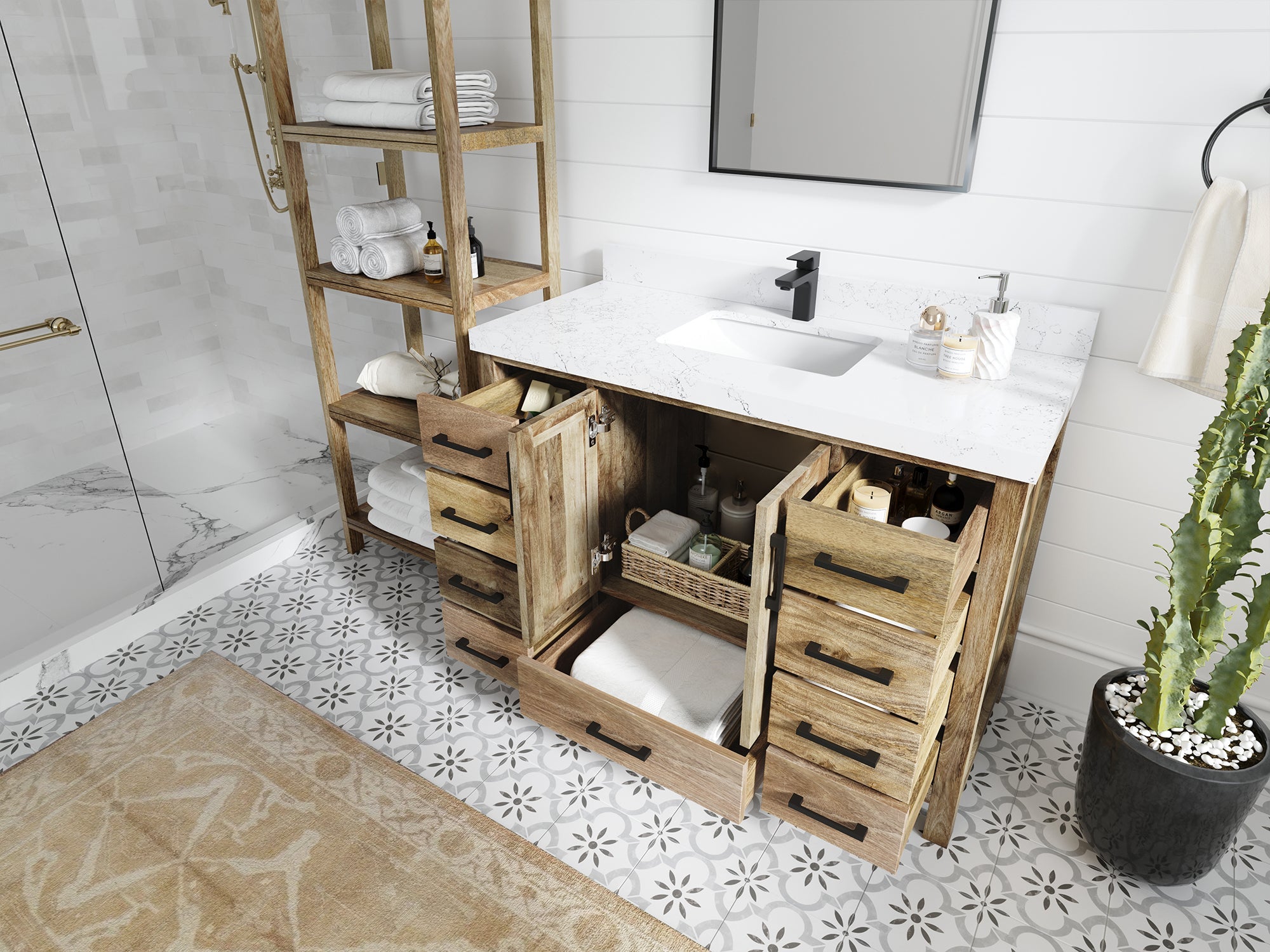
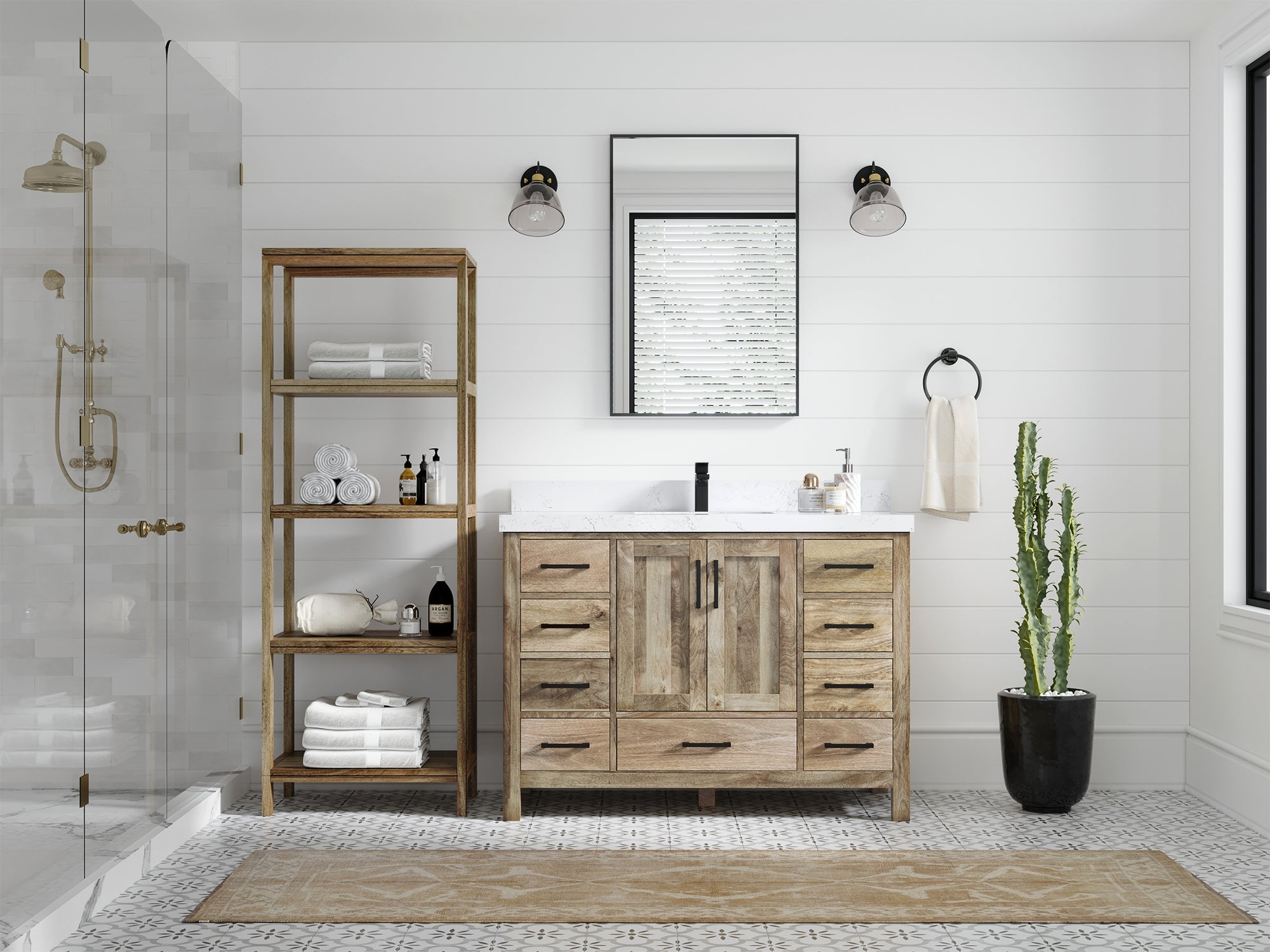
Malibu Mango Wood 48 in.Single sink · Solid mango
In stock · dispatch in 5–8 business days
Transitional bathroom vanities sit between traditional furniture and modern cabinetry. They keep the proportion, panel detail and visual warmth that make a bathroom feel finished, but leave out the heavy carving and ornate trim that can date a room. The result is easy to pair with both an older home and a cleaner contemporary remodel.
This collection spans 24- through 96-inch widths after the hidden and draft products are removed. Most of the assortment is single sink, with double-sink choices for wider shared bathrooms. The cabinets are 22 inches deep, and the range includes freestanding designs as well as a smaller group of floating models. Finishes include teak, white oak, mango wood and painted or fine-grain colors, so transitional describes the shape and detailing rather than one material.
What makes a vanity transitional?
Look for restraint. A transitional vanity may use a slim Shaker frame, fluting, a softly curved corner or furniture-style feet, but one feature normally leads instead of several competing for attention. Hardware is simple, door and drawer lines are balanced, and the countertop can be quiet or expressive without fighting the cabinet. Compared with a modern bathroom vanity, transitional designs usually show more frame or surface detail. Compared with the more decorative pieces in the traditional vanity collection, the profiles are cleaner and easier to mix with current tile and lighting.
Start with the room, not the finish
For a powder room, 24 or 30 inches keeps the footprint controlled. A 36-inch vanity gives a guest bath more storage and may offer center or offset-sink layouts for existing plumbing. Widths from 42 to 60 inches provide more counter space without necessarily requiring two basins. For a primary bathroom, the 60-, 72-, 80-, 84- and 96-inch groups include layouts designed for a wider wall and, in many cases, two sinks.
Choose the sink layout before settling on color. A single-sink vanity leaves more uninterrupted counter space and often works better when one person uses the room at a time. A double-sink vanity divides the routine into two stations but requires two drain locations and enough room between basins. Floating models can expose more floor and lighten the room visually; freestanding cabinets create a more familiar furniture silhouette.
How to combine cabinet, countertop and hardware
White oak and pale painted finishes suit warm stone, off-white tile and brushed metal. Teak and mango add depth to neutral rooms and work especially well with plaster textures or quieter countertop patterns. Dark painted finishes create contrast against light tile, while soft gray, green or blue can connect the vanity to wallpaper or floor color without making the room feel formal.
Countertop choices, faucet drilling and finish availability vary by product. Review the actual configuration before coordinating faucets, mirrors and sconces. If the cabinet has an offset sink, measure from the side wall to the drain and mirror centerline; if it is floating, confirm wall blocking and drain height before ordering.
Measure before narrowing the collection
Use the finished countertop width and depth, not only the nominal cabinet size. Check door swing, toilet clearance, baseboard interference and the path from the entrance to the installation wall. For large double vanities, also measure hallways, stairs and turns along the delivery route. Those practical checks matter more than whether the room is labeled traditional or modern, and they make it much easier to choose a transitional vanity that looks intentional once installed.
Questions & answers