


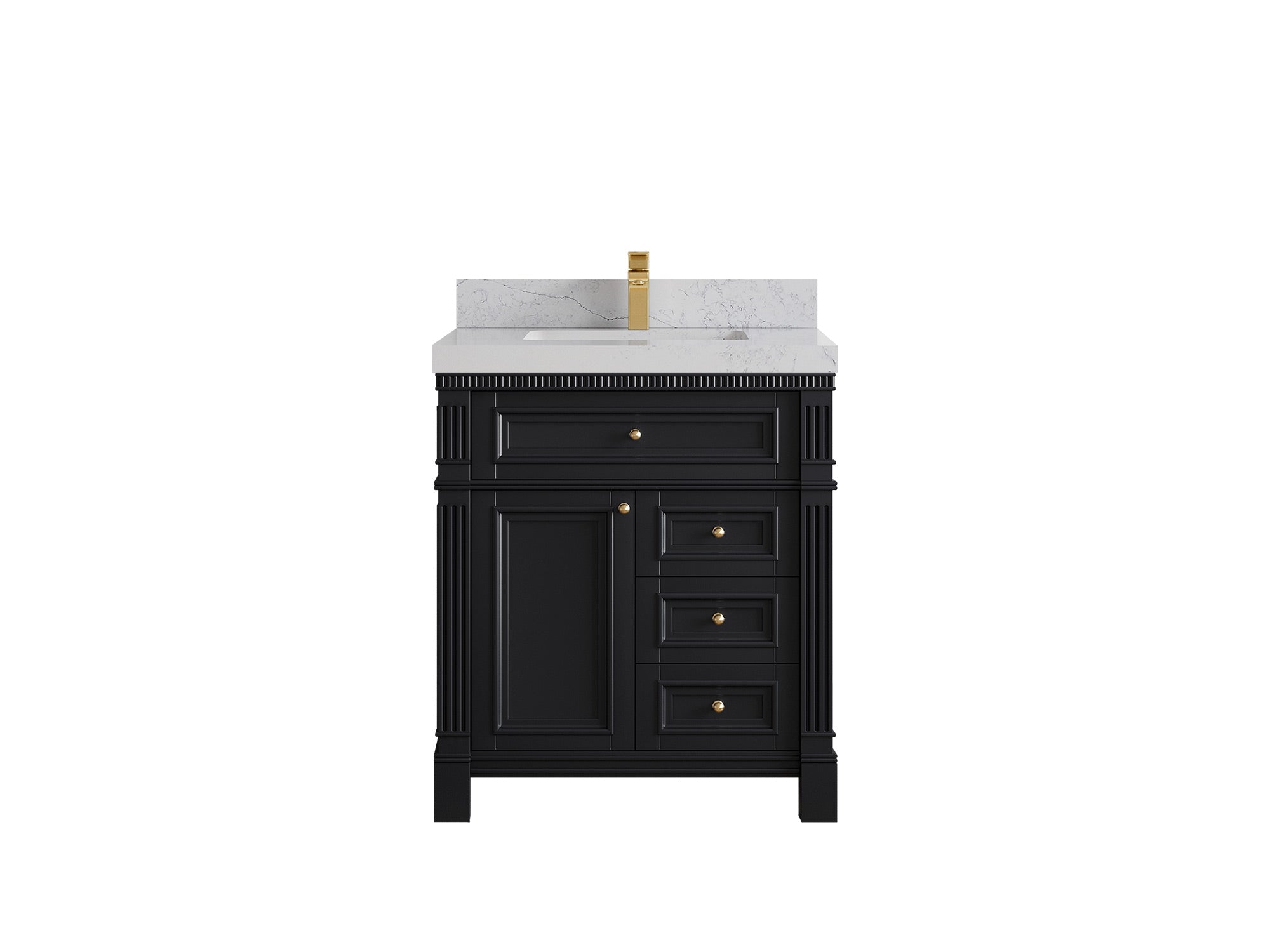
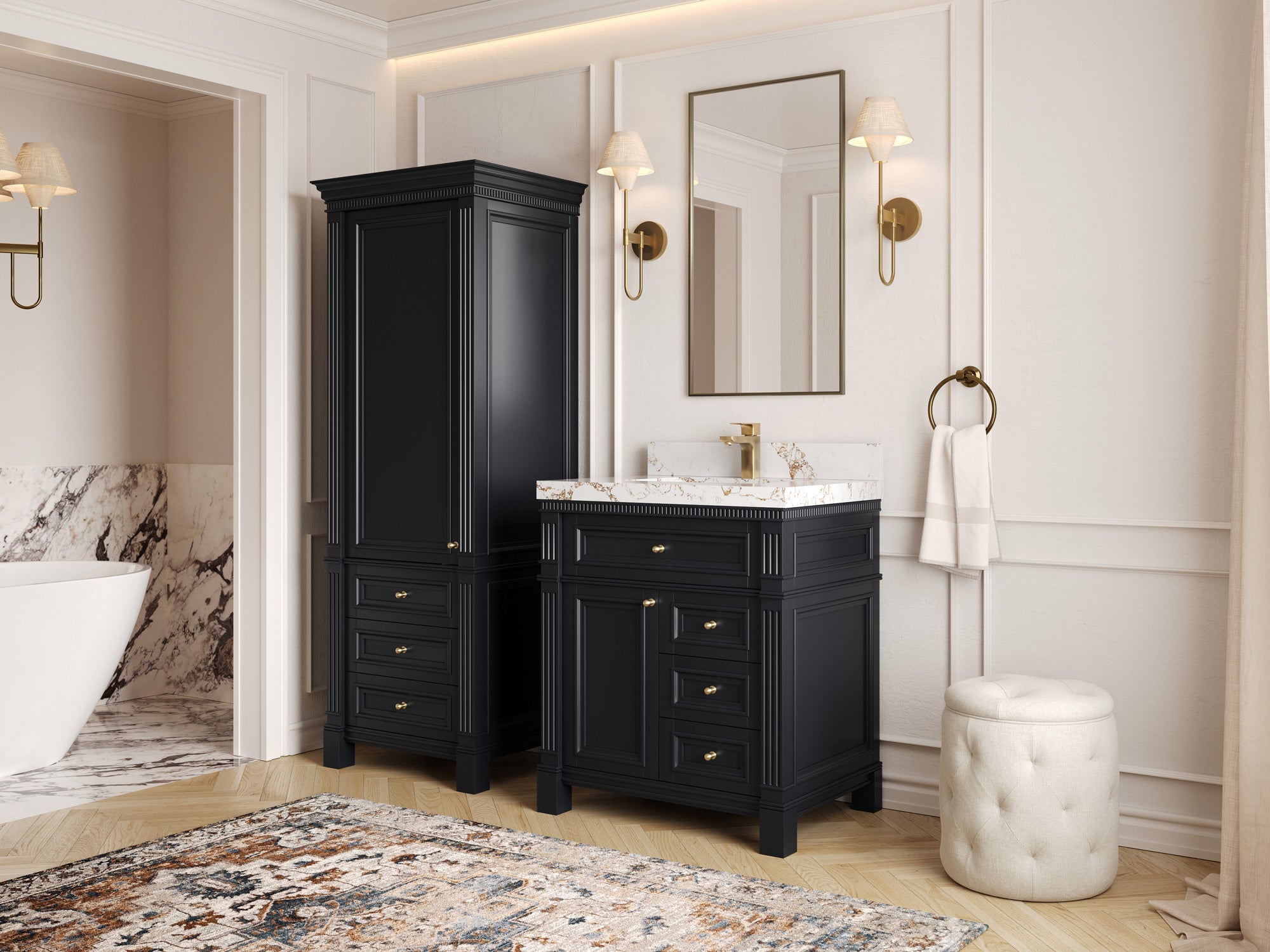
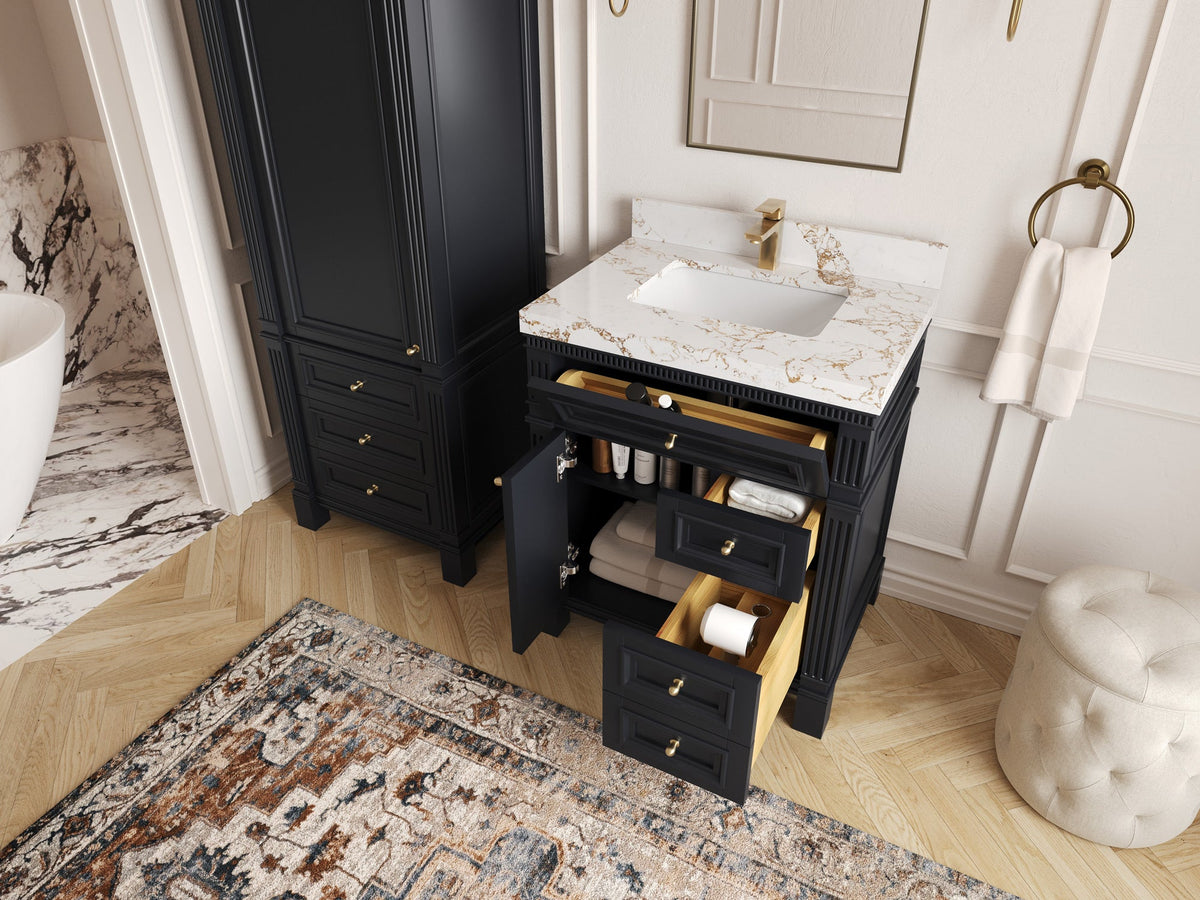
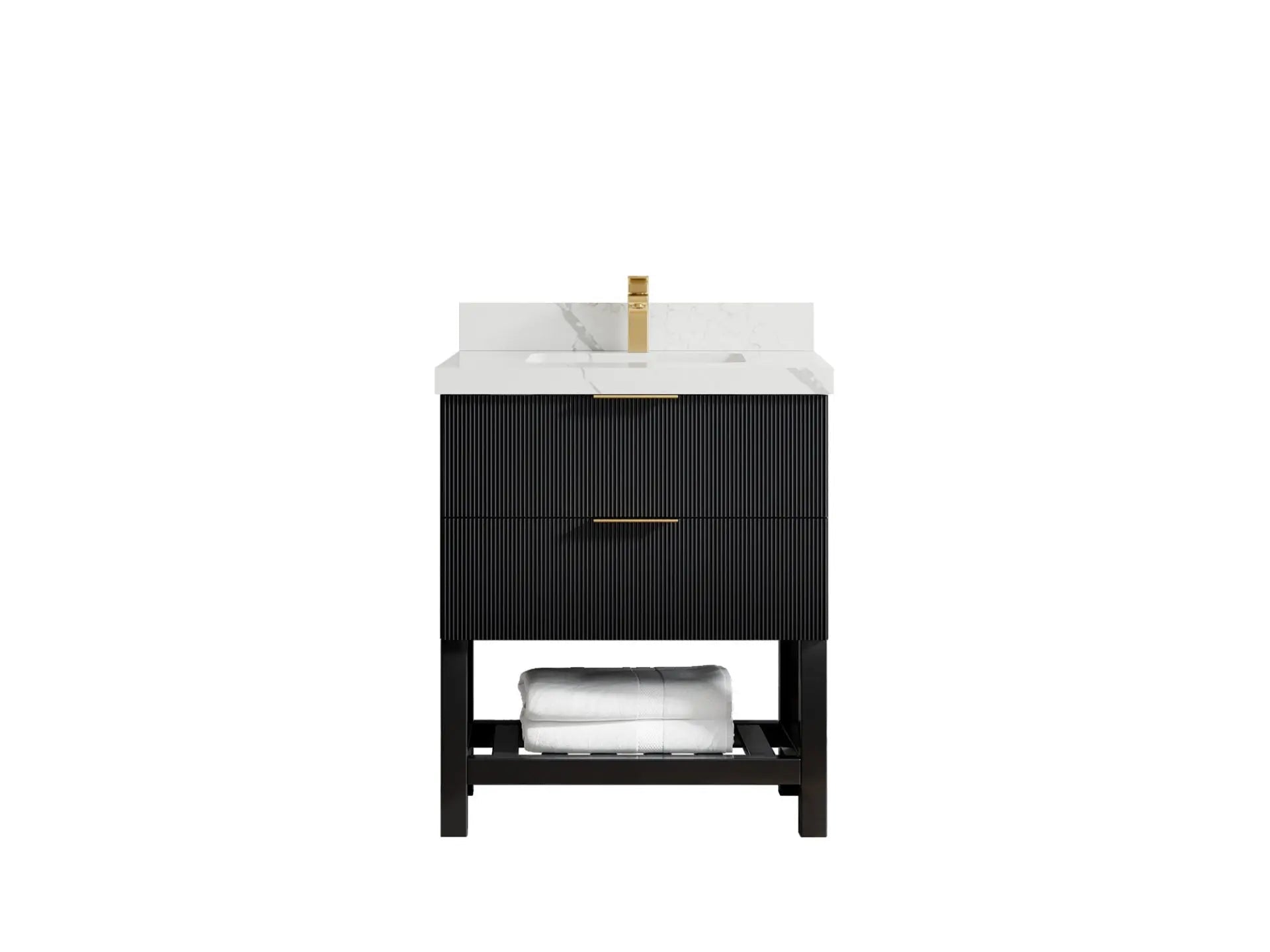
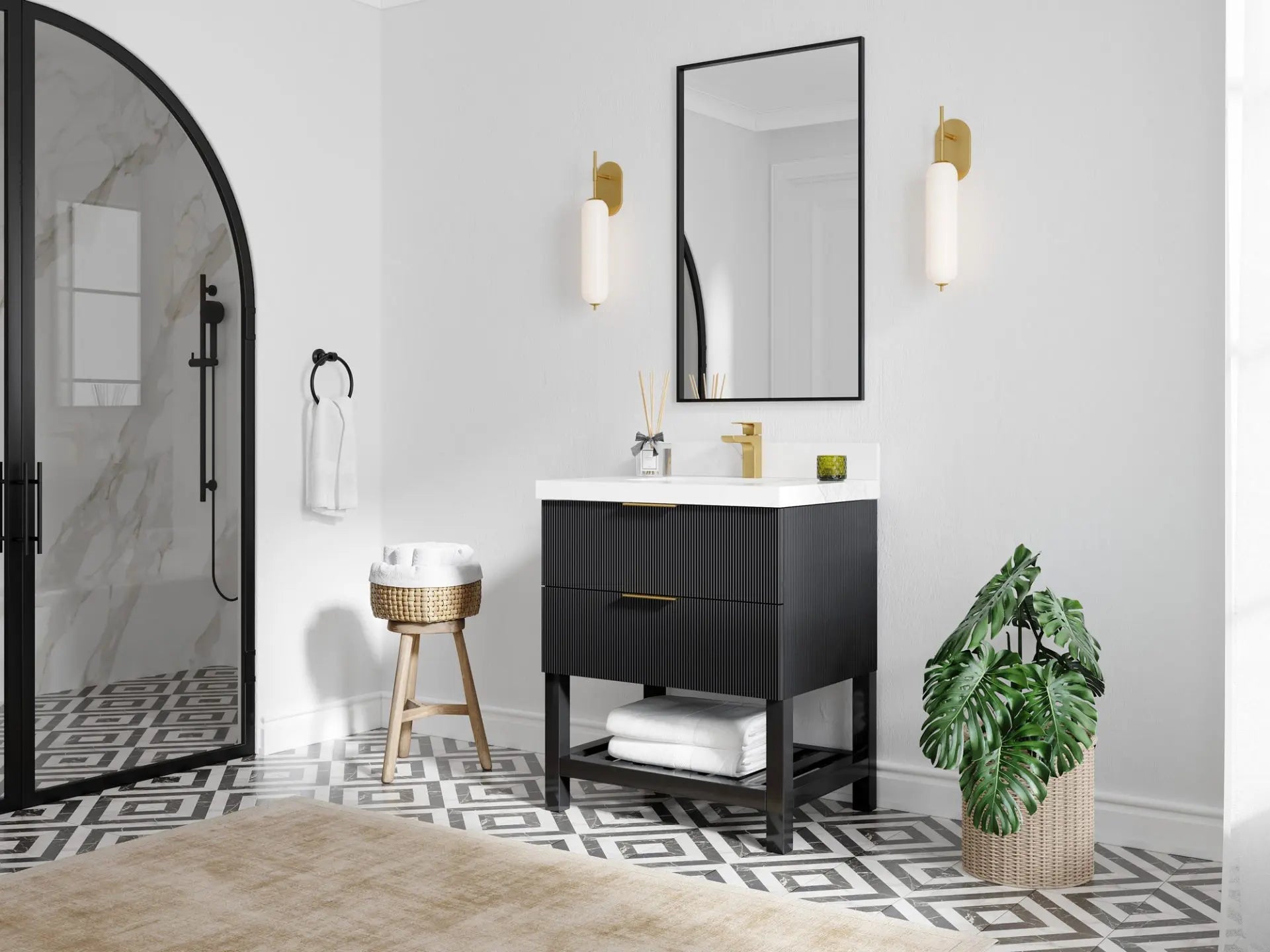
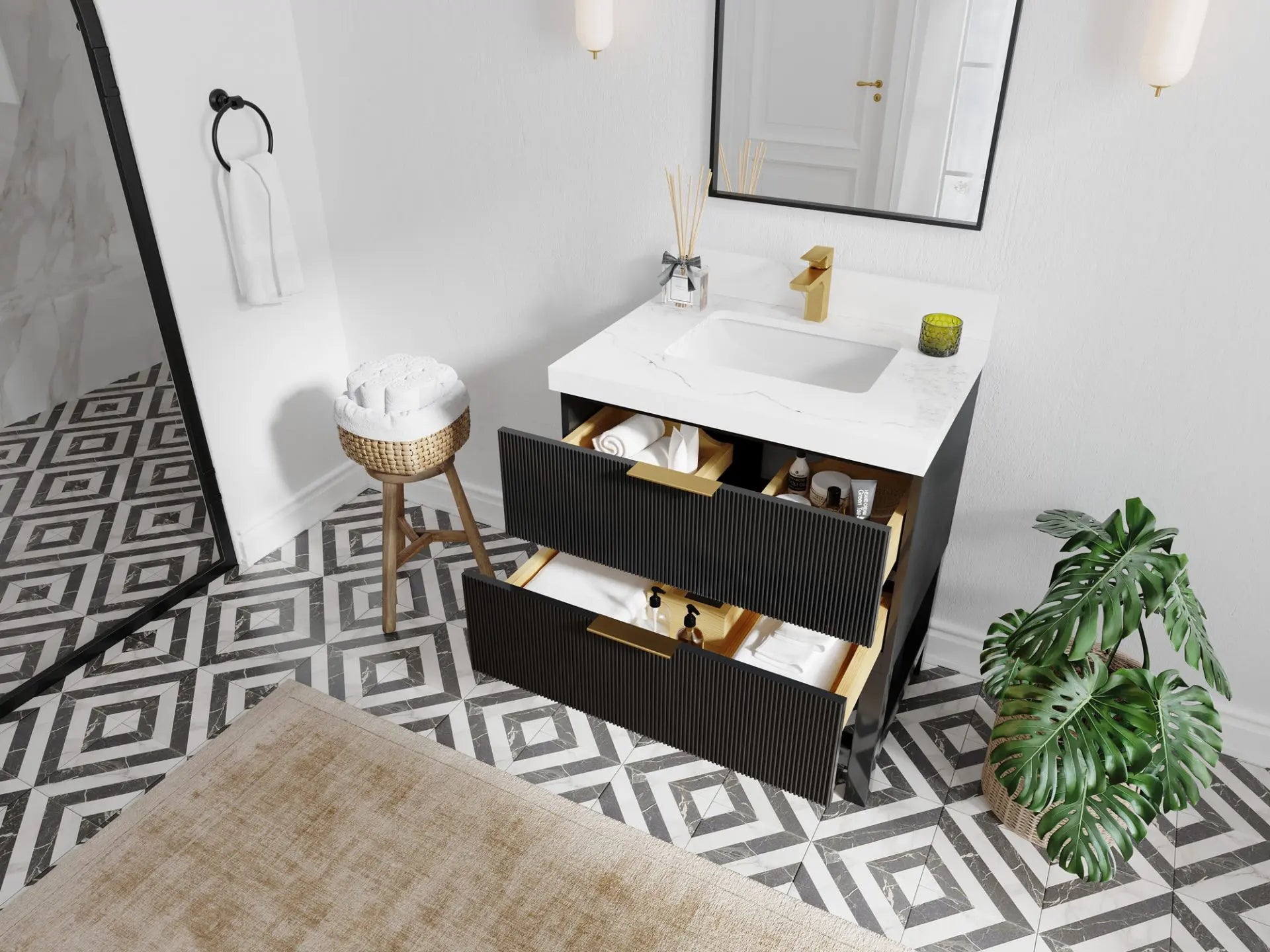
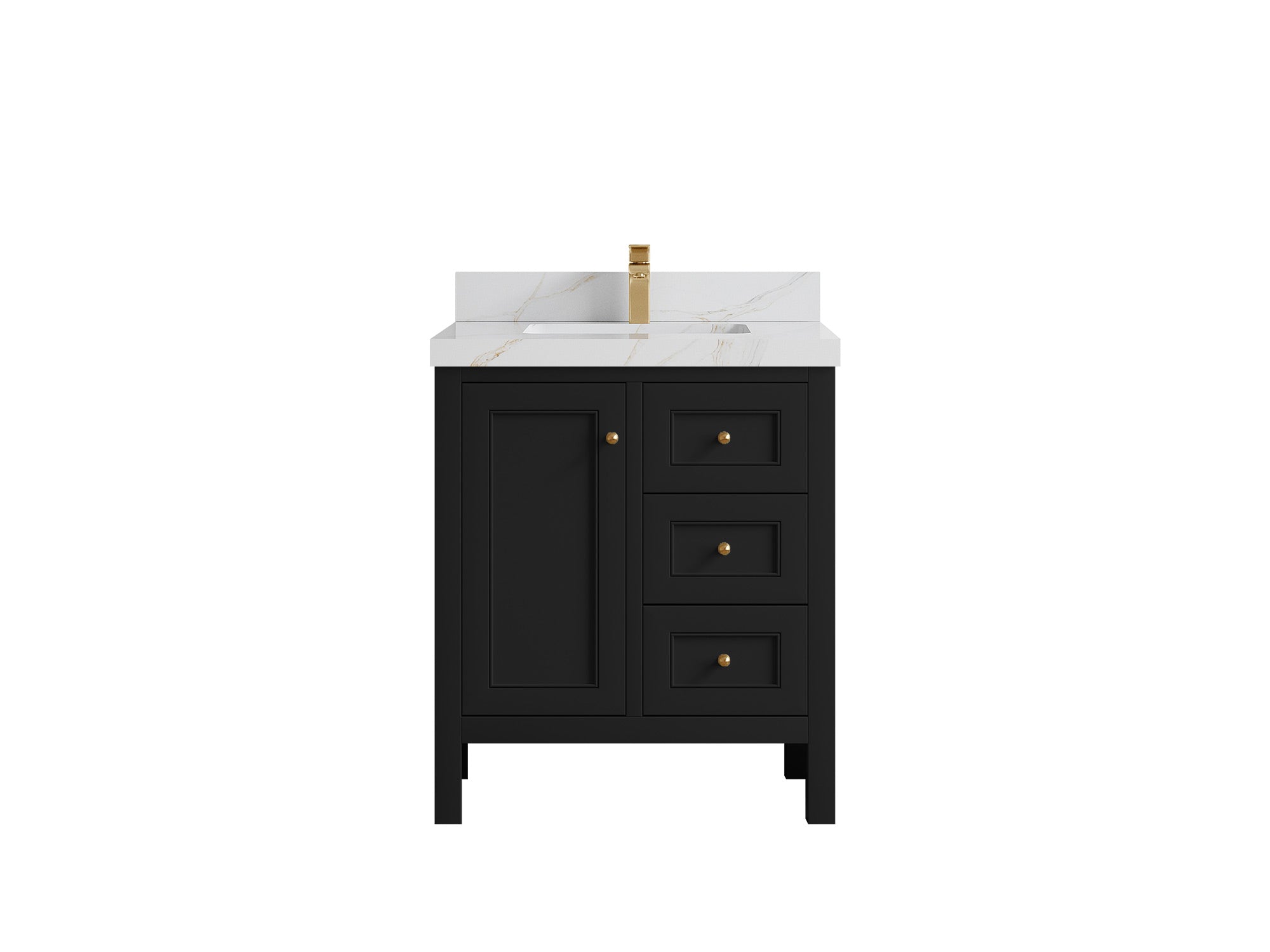
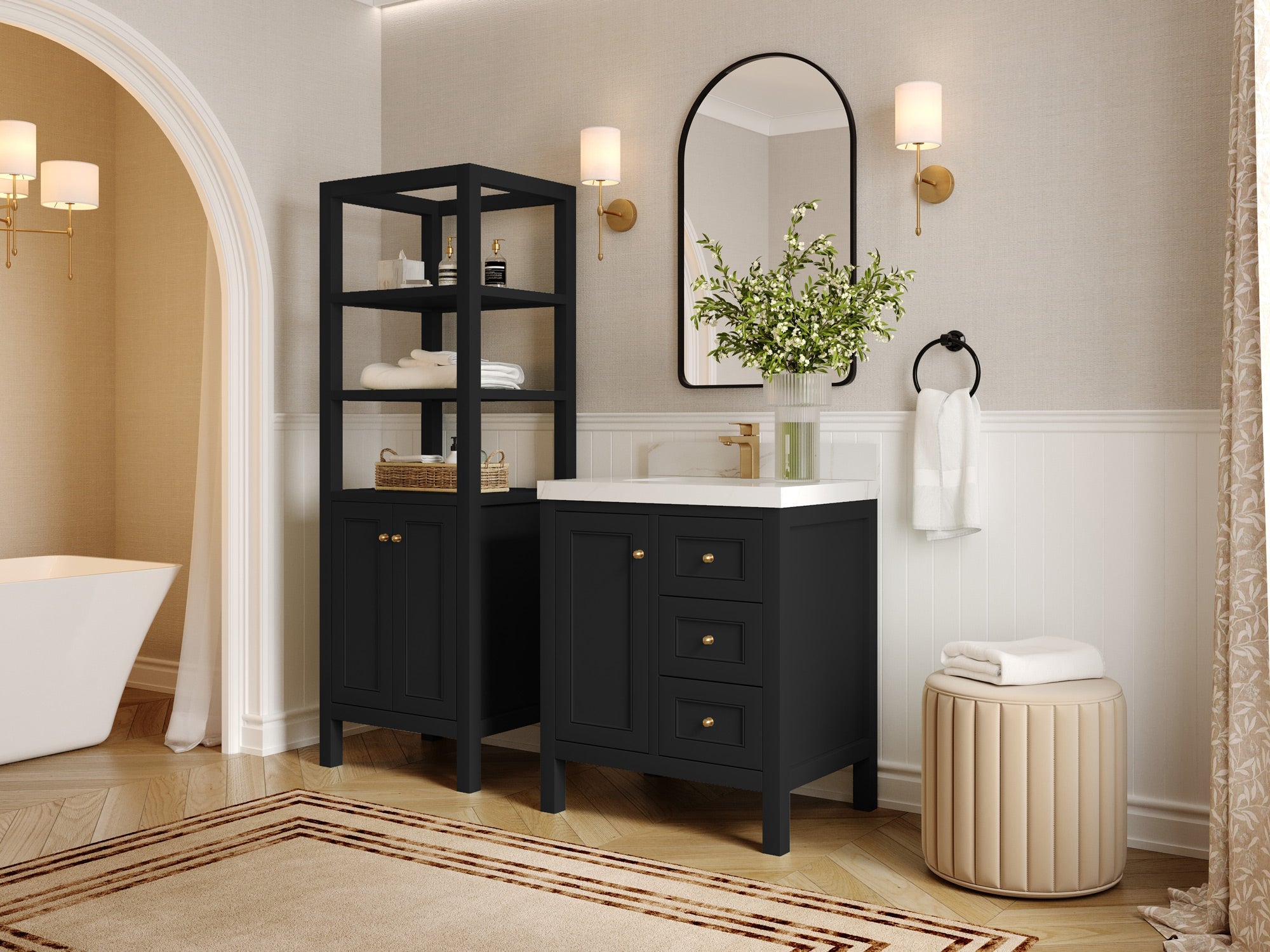
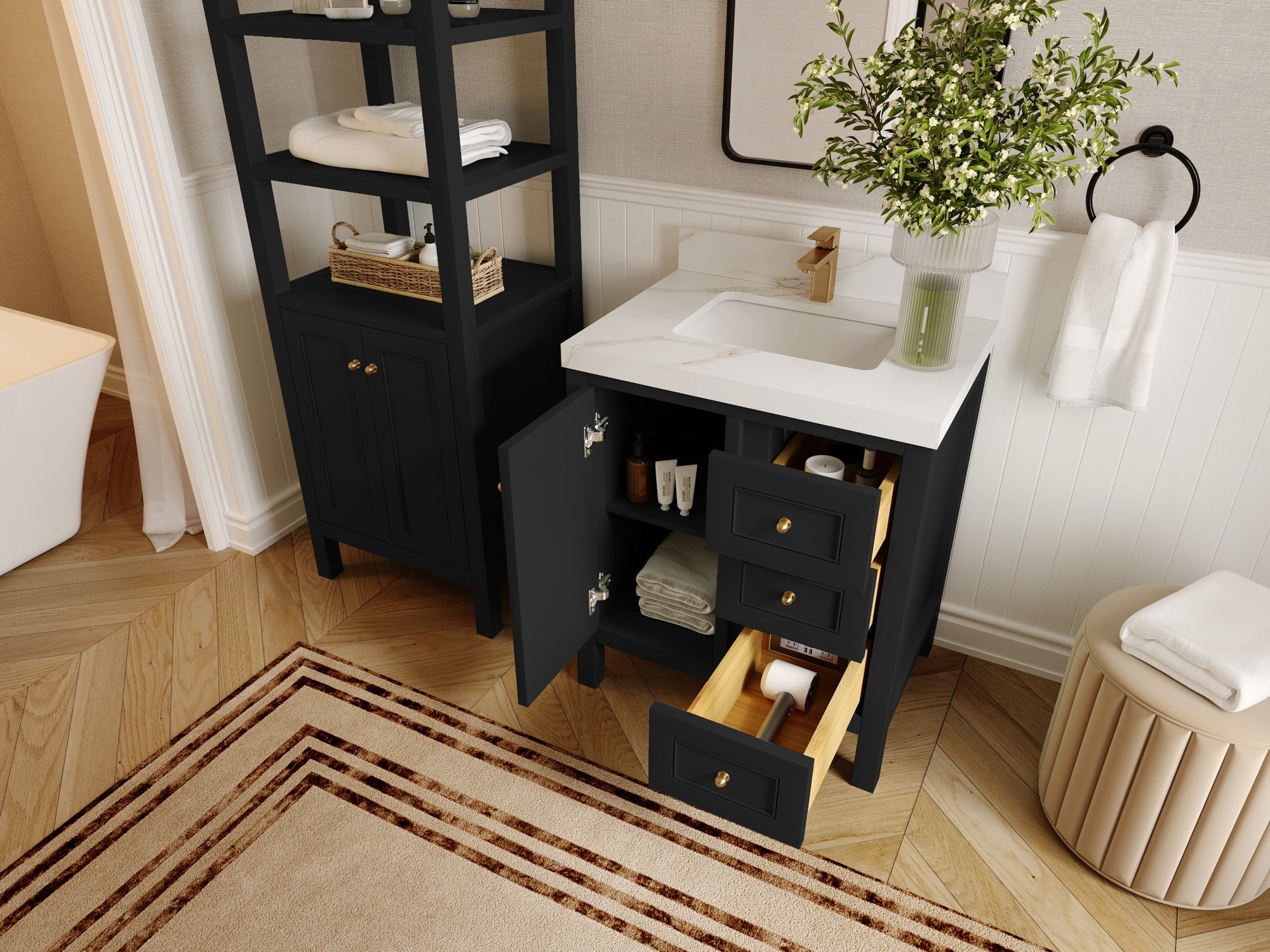
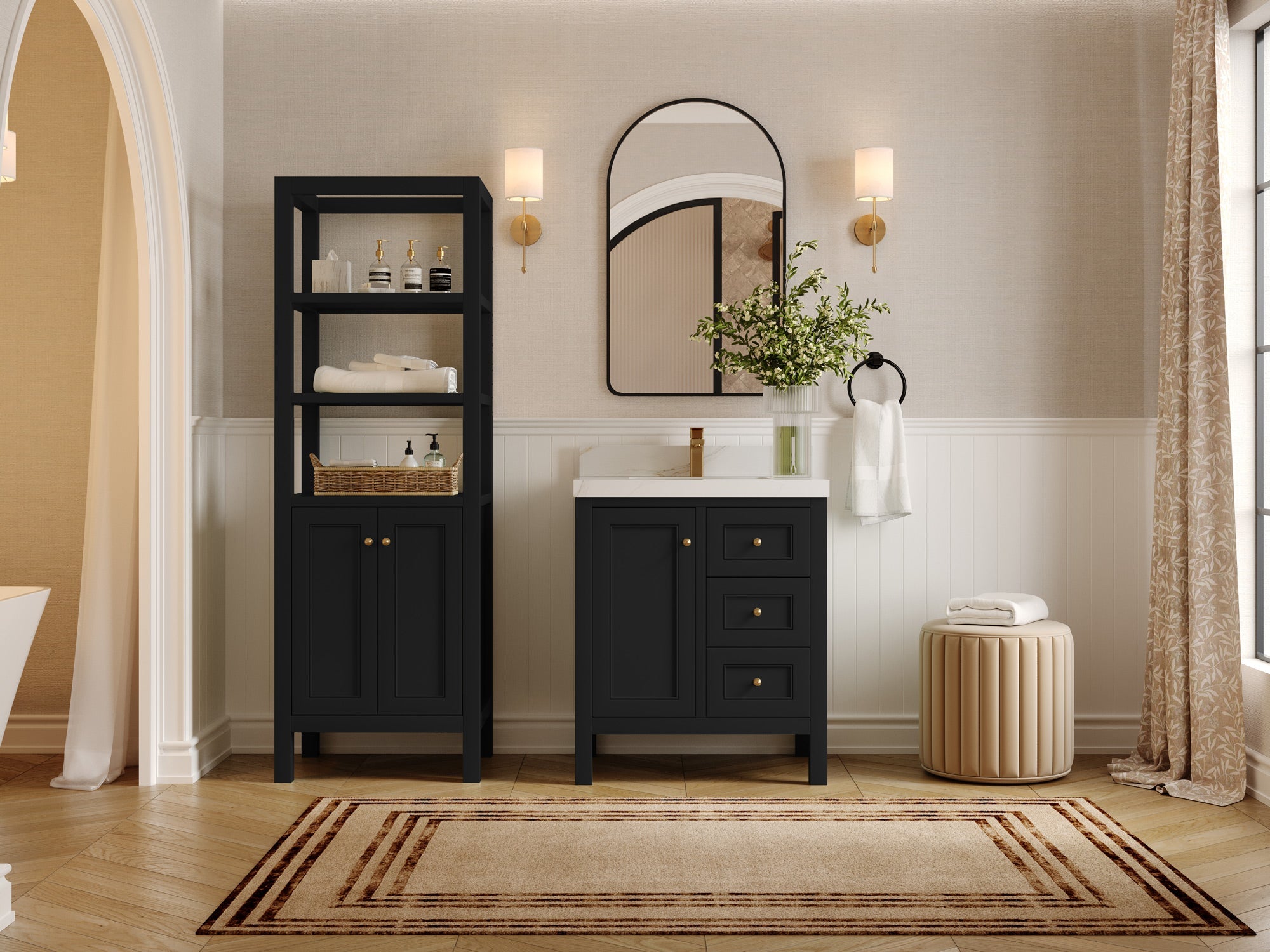
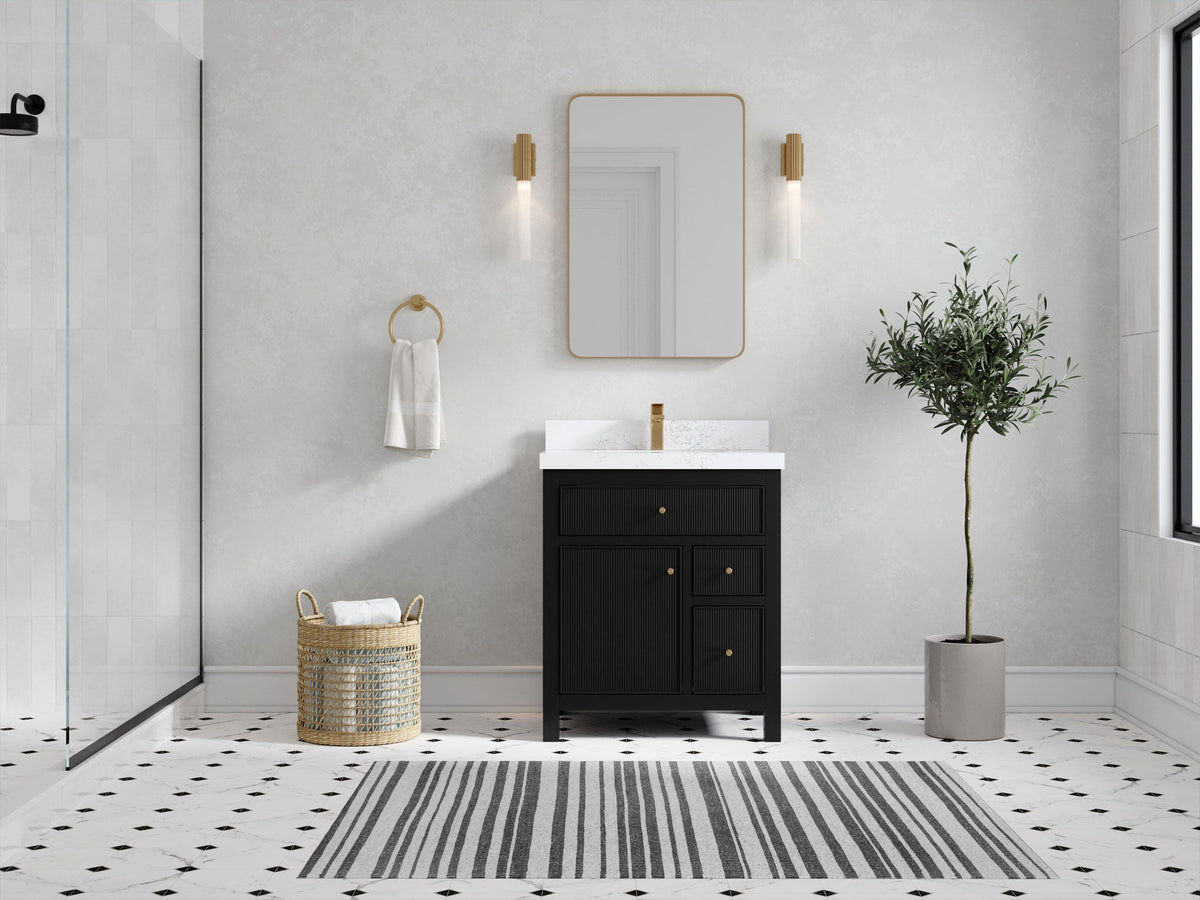
A 30-inch black bathroom vanity gives a smaller sink wall a clean architectural anchor. Willow’s exact-size selection combines nominal 30 in. W × 22 in. D single-sink families with different cabinet profiles and practical door or drawer layouts. Black can sharpen white tile, frame a visibly veined countertop or sit quietly beside charcoal and warm neutral materials. Keep the cabinet color distinct from countertop names: every product on this page should have a verified black cabinet finish, not merely a black top option. Confirm the finish, exact dimensions, plumbing clearances, selected countertop and included components on the individual variant before ordering.








CURATED FOR THIS COLLECTION
Designed Around 30″
A properly scaled 30″ vanity brings useful storage, genuine stone and visual balance to the room.

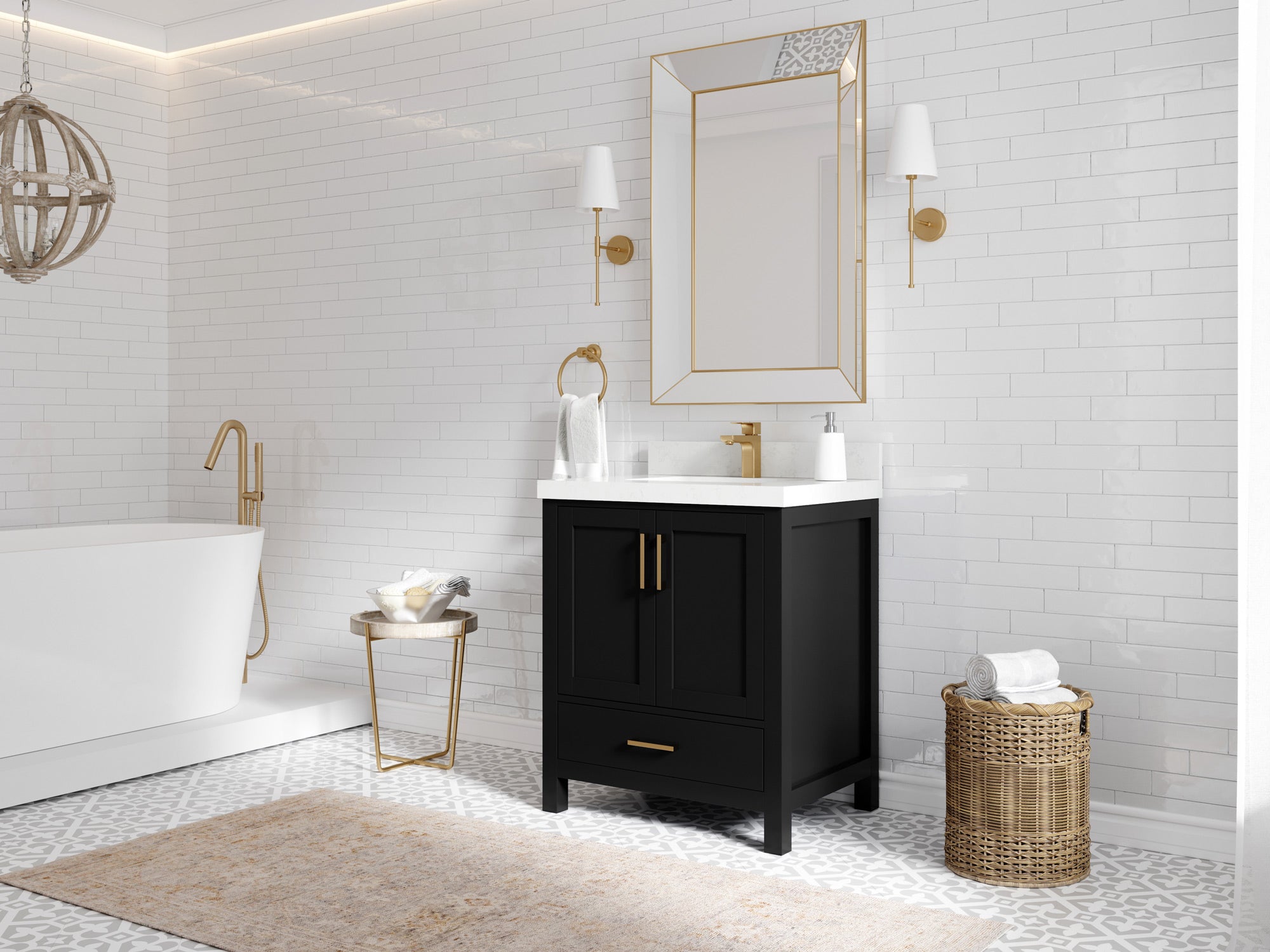



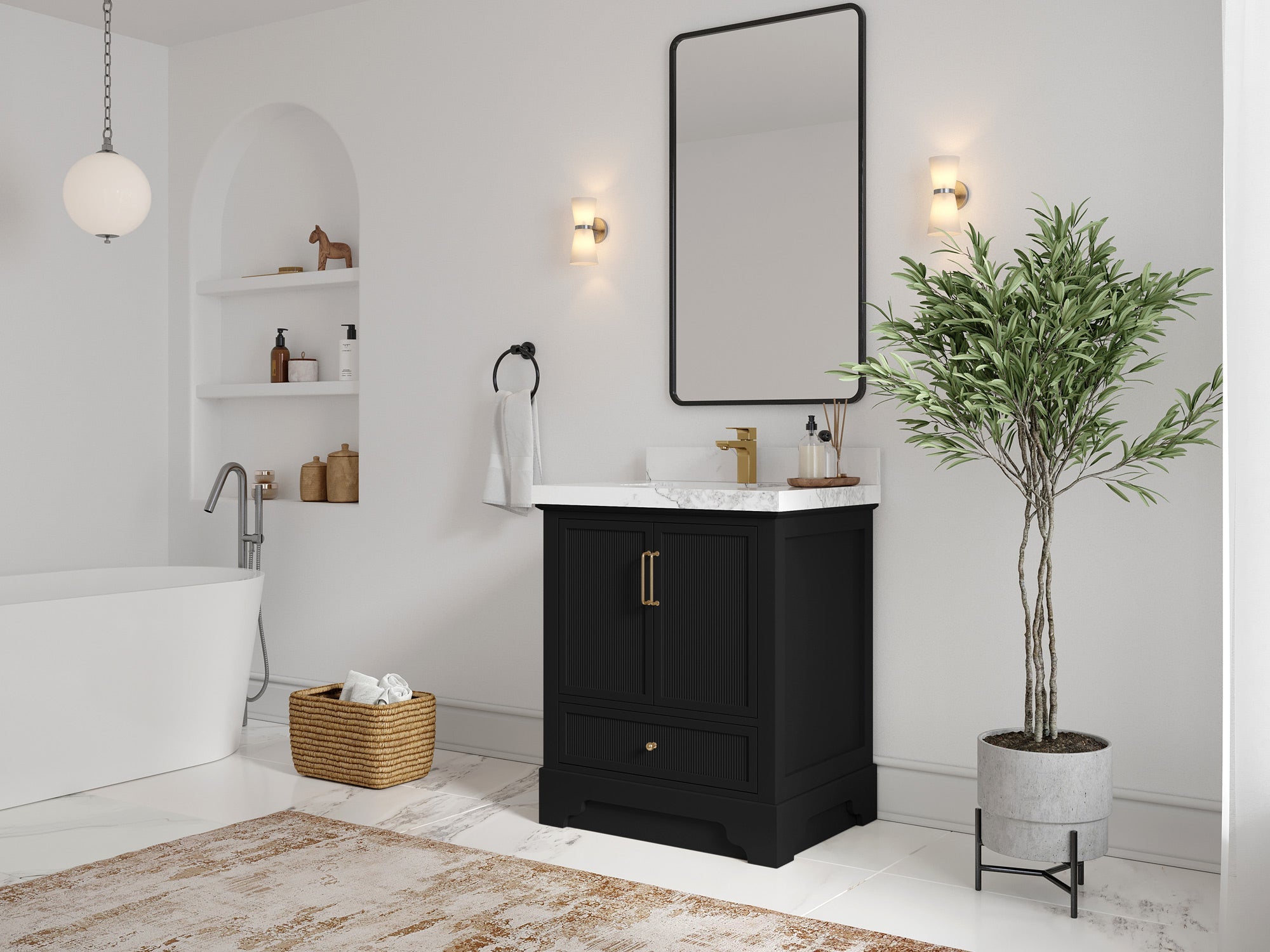


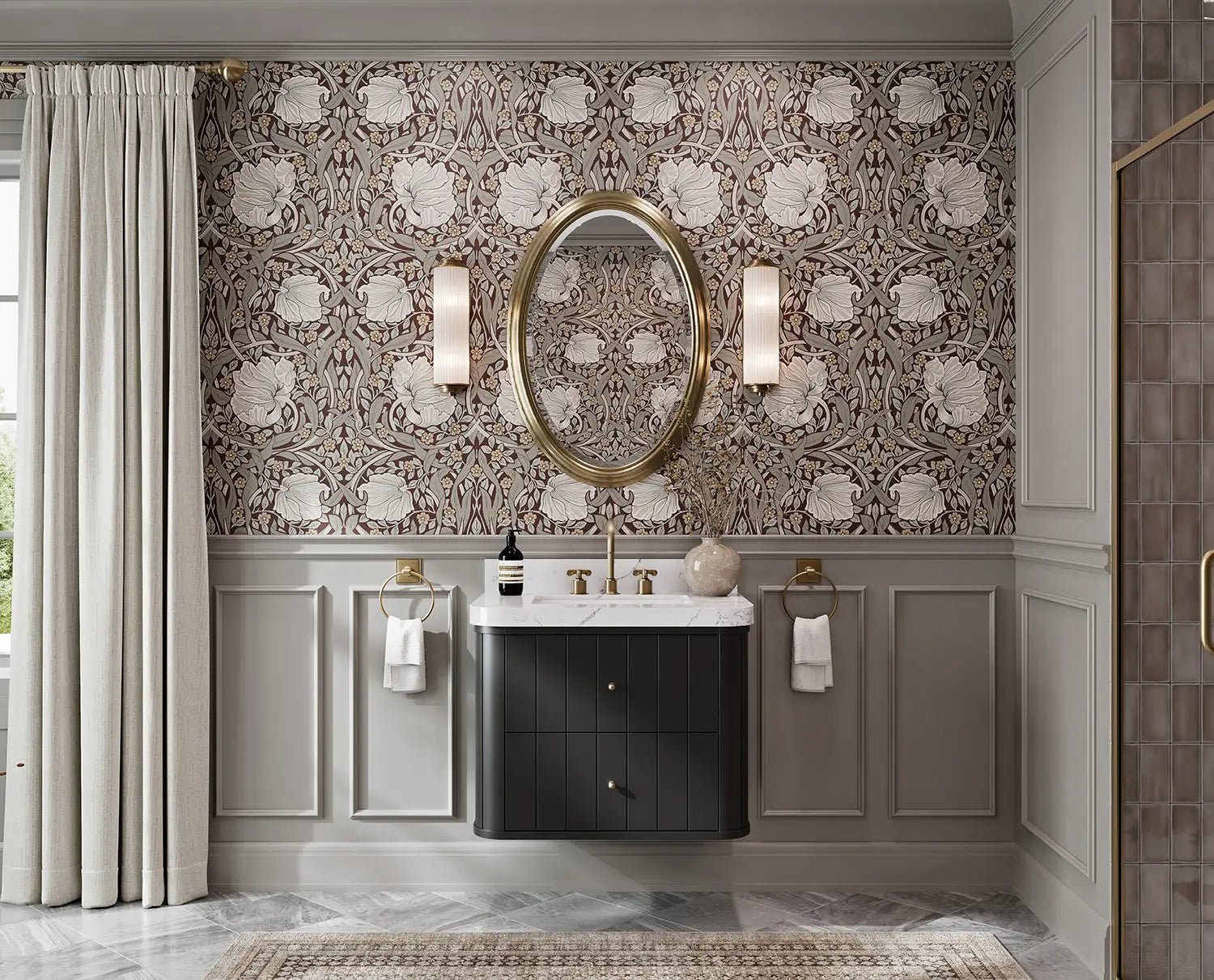
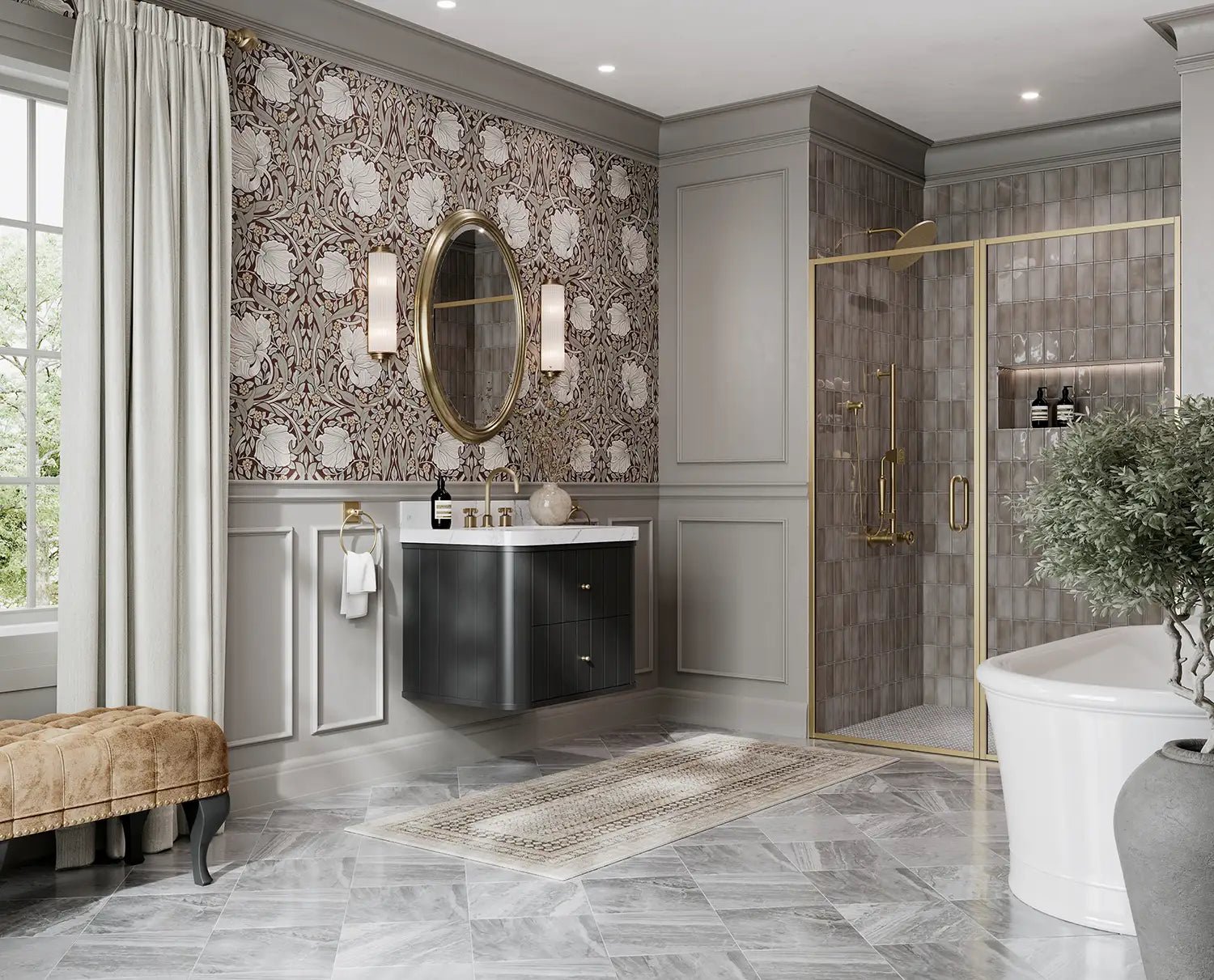
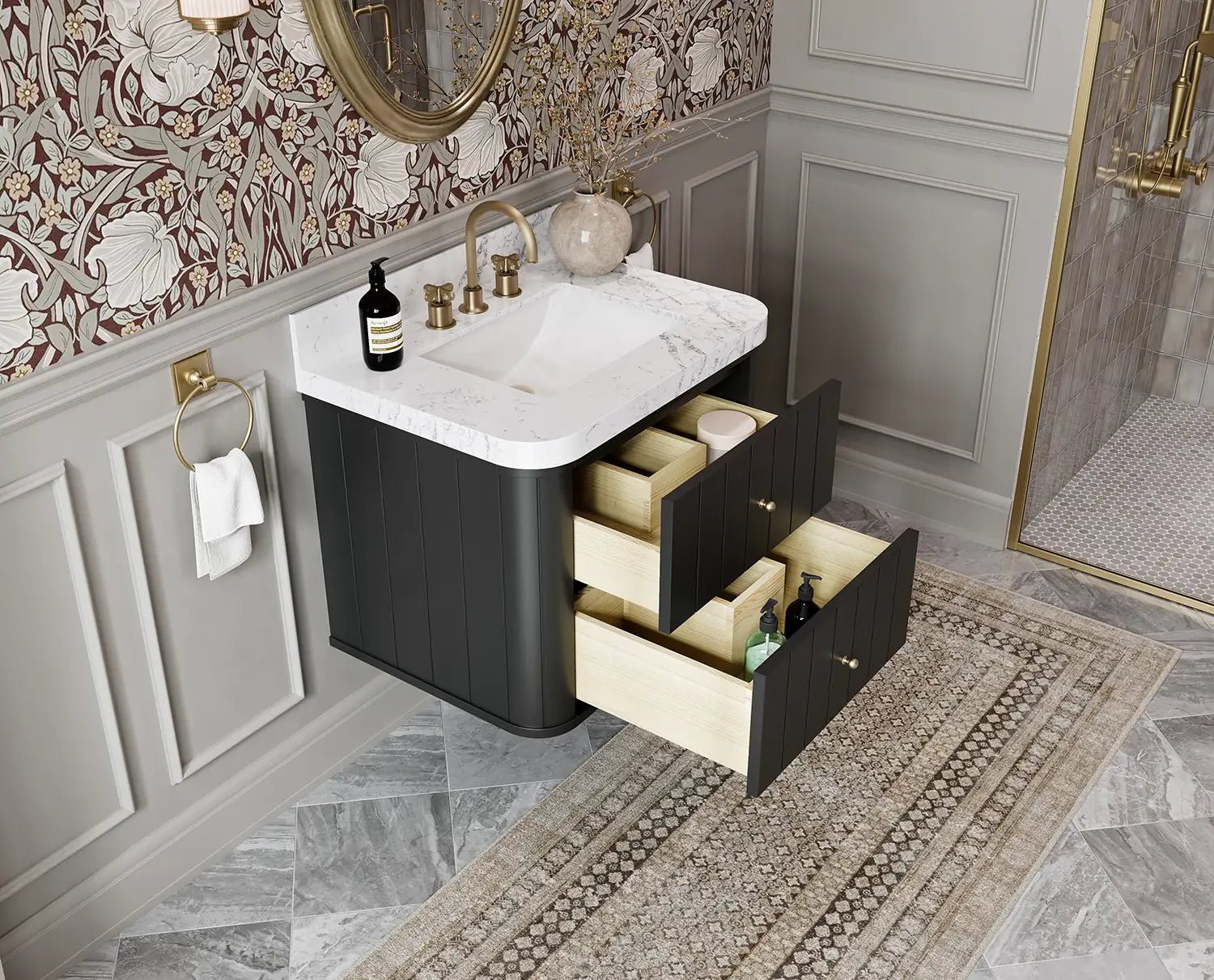
Making a black 30-inch vanity work in a compact bathroom
Black does not automatically make a small bathroom feel smaller. The result depends on contrast, lighting and how much dark material appears elsewhere in the room. A 30-inch cabinet creates a focused block of color rather than a full dark wall, so it can add definition without overwhelming the layout.
Build contrast above the cabinet
A white or lightly veined top creates the clearest separation and keeps the sink area bright. A darker or strongly patterned top produces a more monolithic effect and needs enough light to show its edges. Extend the contrast vertically with a mirror that has a distinct outline and lighting that illuminates the face as well as the countertop. If the room already has dark floor tile, use a lighter wall or backsplash so the vanity does not disappear into the background.
Choose metal finishes intentionally
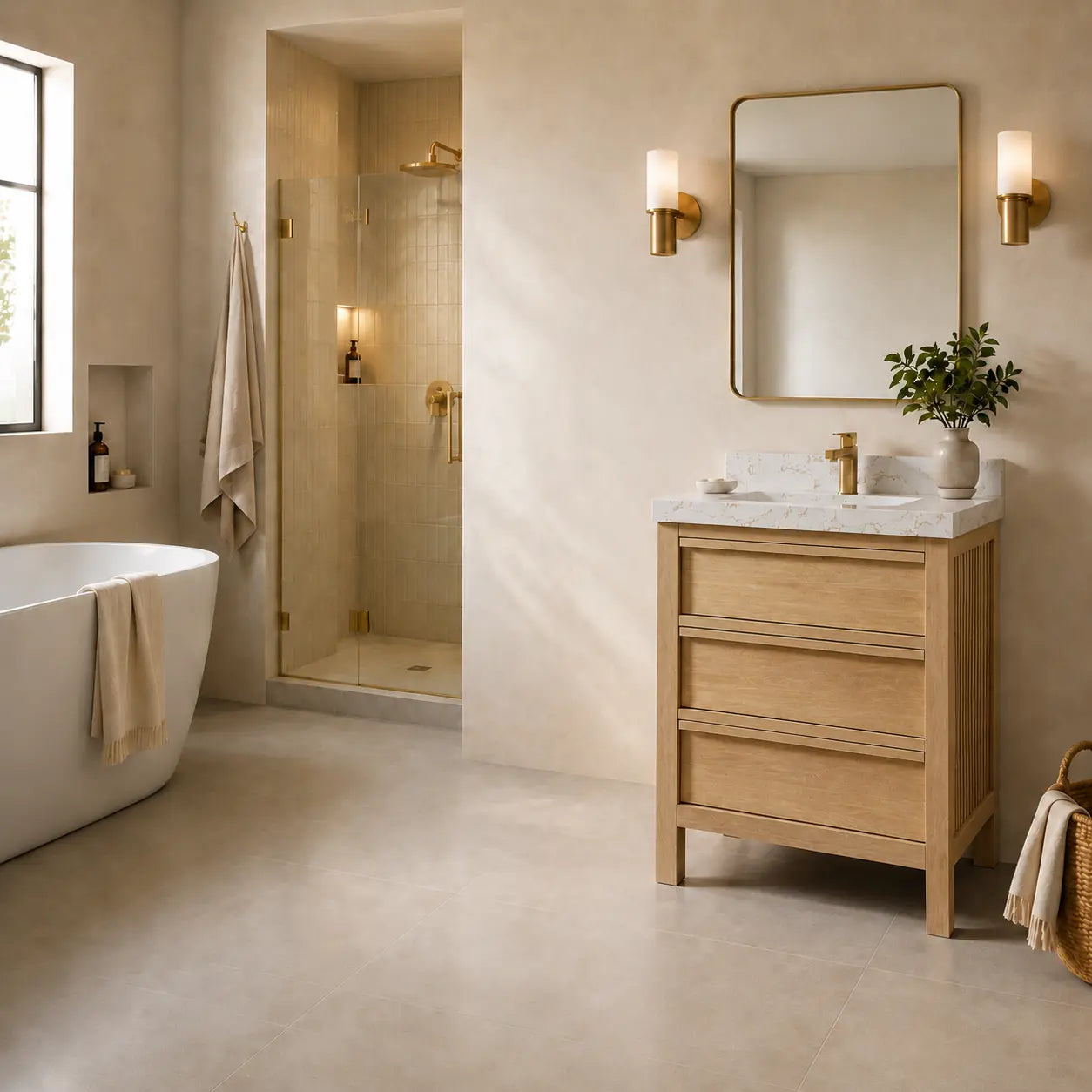
Black hardware creates a restrained, continuous surface. Brass-toned metal warms the cabinet and can connect to amber or beige veining. Chrome or brushed nickel produces a cooler, sharper contrast. Whichever direction you choose, repeat it in the faucet, mirror or lighting instead of introducing several unrelated finishes in a 30-inch zone.
Watch finish and surface care
Dust, water droplets and product residue can be more visible on a dark finish. Wipe splashes promptly with a soft damp cloth and dry the cabinet afterward. Avoid abrasive cleaners and aggressive pads. The countertop has its own care requirements, so follow the instructions for both materials rather than using one cleaner across every surface.
Match the cabinet profile to the room
Cabinet profile changes the effect of black. A simple slab or curved-edge design feels graphic and contemporary, while a framed, reeded or furniture-inspired front adds shadow and texture. Let that geometry determine whether the backsplash and mirror should stay quiet or repeat a stronger pattern.
All families here use a nominal 30 × 22 single-sink format, but the finished footprint may include countertop overhang and hardware projection. Check the exact product drawing, door or drawer movement and plumbing space. Compare the complete 30-inch vanity assortment, soften the palette with 30-inch white vanities, explore 30-inch green bathroom vanities, or consider 30-inch floating vanities when open floor is part of the design goal. Use the bathroom vanity countertop guide for surface comparisons.
Frequently Asked Questions
Is a black vanity too heavy for a powder room?
Not if the room has deliberate contrast and adequate lighting. A pale top, lighter wall and well-lit mirror keep the edges visible, while the compact 30-inch width limits the amount of dark cabinetry.
What countertop works best with a black vanity?
White and light-veined surfaces create the strongest contrast. Gray or darker tops can create a tonal look but require more attention to lighting. Use only the countertop options listed for the exact product and selected variant.
Does Black Top mean the cabinet is black?
No. A countertop label containing Black does not establish the cabinet finish. This collection should include only products whose cabinet itself is verified as Black.
Which hardware finish should I choose with black cabinetry?
Black is quiet and continuous, brass-toned metal adds warmth, and chrome or nickel creates cooler contrast. Repeat the chosen metal across nearby fixtures for a coherent result.
Are marks harder to hide on a black vanity?
Dust, mineral droplets and residue may be more visible. Wipe spills promptly with a soft cloth, dry the surface and avoid abrasive products. Follow the cabinet and countertop care guides separately.
Are these all 30 × 22 single-sink vanities?
They are grouped around that nominal format. Confirm the individual dimensional drawing because countertop edges, hardware and tolerances can affect the completed footprint.
Questions & answers